Standing Pose Reference for Drawing
A standing figure looks like the simplest thing to draw and is the fastest way to expose a weak understanding of weight. The body is a stack of masses balanced over a base, and if that balance is wrong the drawing reads as a figure about to fall over — even when every individual part is accurate.
▶ Start a timed session with these 12 posesOpens the free pose timer with this set loaded. Choose your own interval — 30 seconds to 5 minutes.



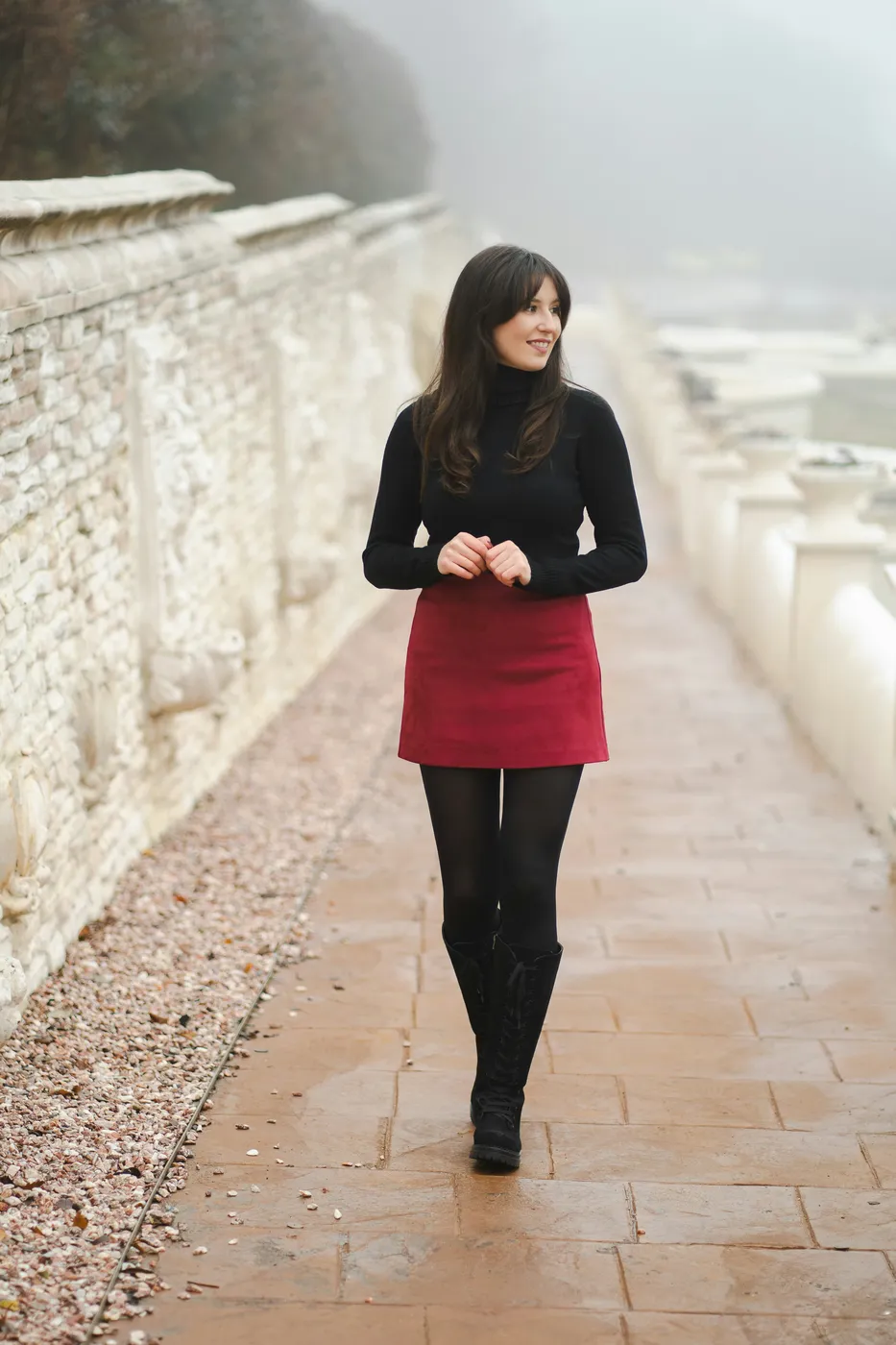
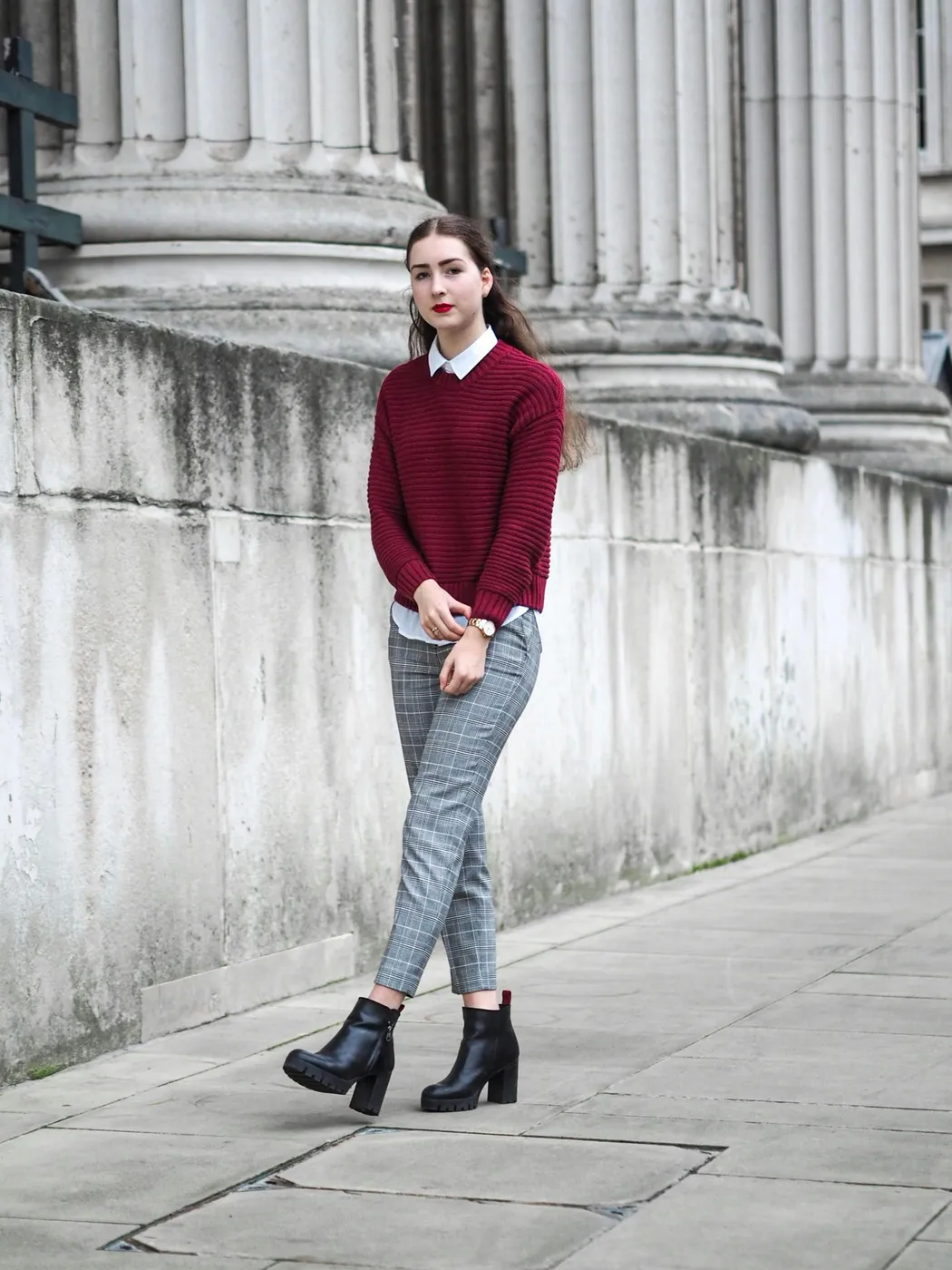
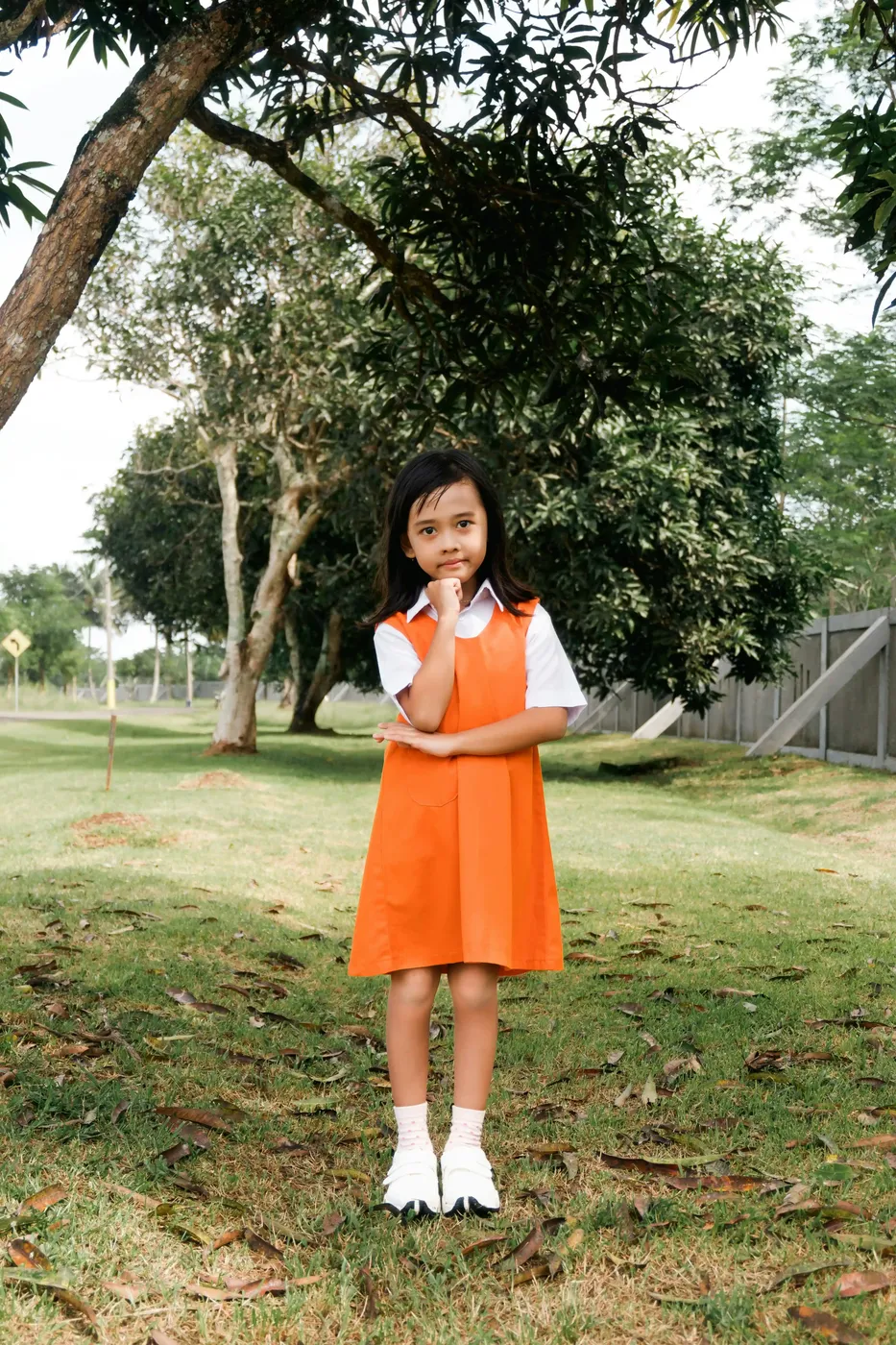





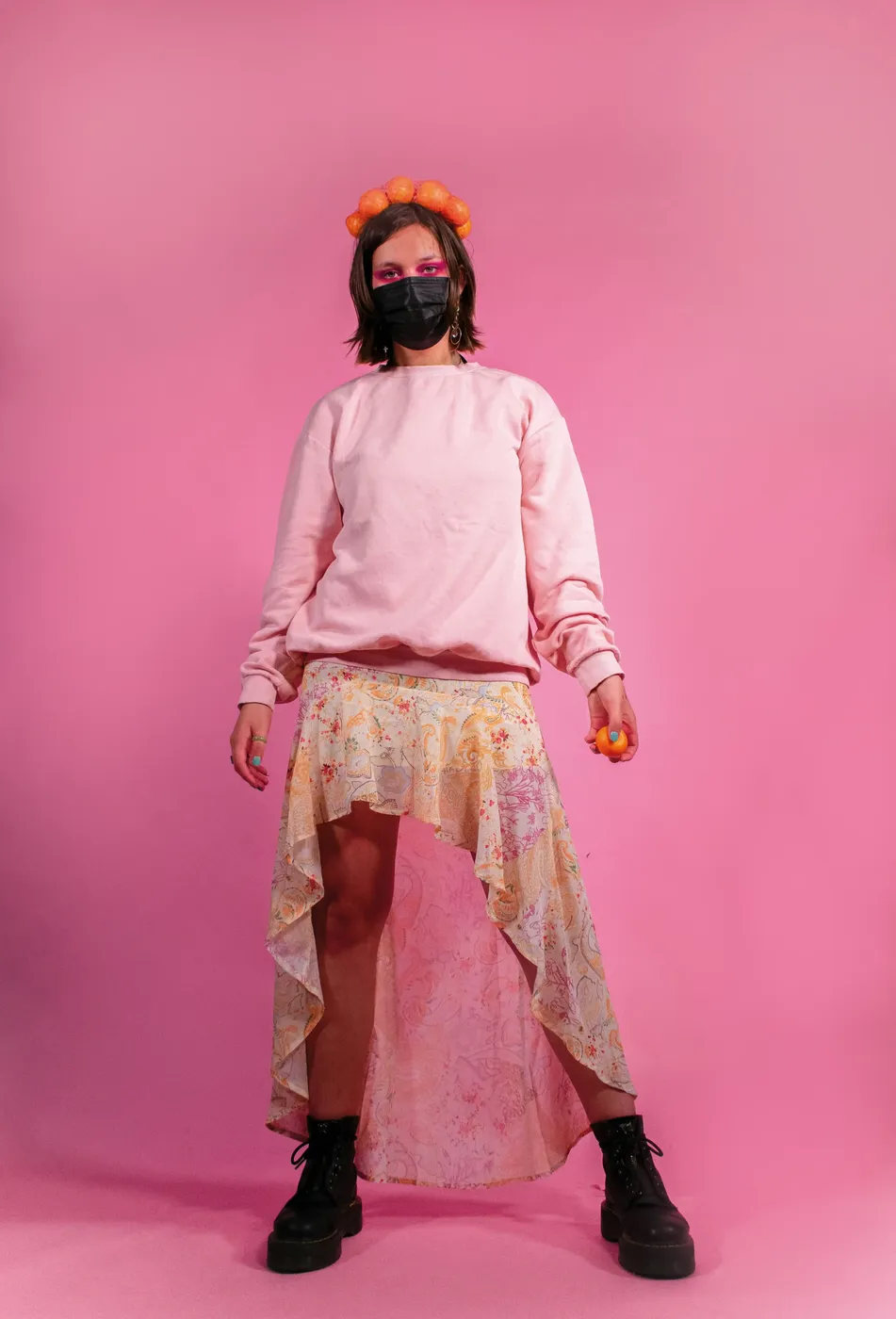
All 12 photographs are from Unsplash and free to draw from, including for work you sell.
The line of balance
There is one measurement that fixes most standing figures. Find the pit of the neck — the notch between the collarbones — and drop a vertical line straight down from it. In a balanced standing pose, that line lands on the weight-bearing foot, or between the feet if the weight is evenly split. Nothing else has to be measured for the pose to read as standing rather than falling.
Check it early, before you commit to detail. If your line lands outside the feet, the figure is off-balance and no amount of good rendering will rescue it.
Contrapposto
When weight shifts onto one leg, the pelvis on that side rises and the shoulder on that side drops. The result is two opposing tilts — the pelvis one way, the shoulders the other — connected by a curving spine. That counter-tilt is contrapposto, and it has been the basis of standing figure drawing since Greek sculpture, because it is what makes a figure look alive rather than stacked.
The practical version: draw two lines, one across the hips and one across the shoulders. If they are parallel, the pose is stiff. If they oppose, it is not.
A practice routine
Two minutes per pose. Spend the first fifteen seconds on nothing but the line of balance and the two tilt lines — three marks. Only then start the figure. Do ten poses like that and the habit becomes automatic, which is the point: you want to be checking balance without thinking about it.