Male Pose Reference for Drawing
Drawing the male figure well is less about memorising anatomy charts than about getting a few structural relationships right. The rest — muscle names, insertion points, surface detail — only becomes useful once the underlying masses are in the correct places at the correct sizes.
▶ Start a timed session with these 12 posesOpens the free pose timer with this set loaded. Choose your own interval — 30 seconds to 5 minutes.

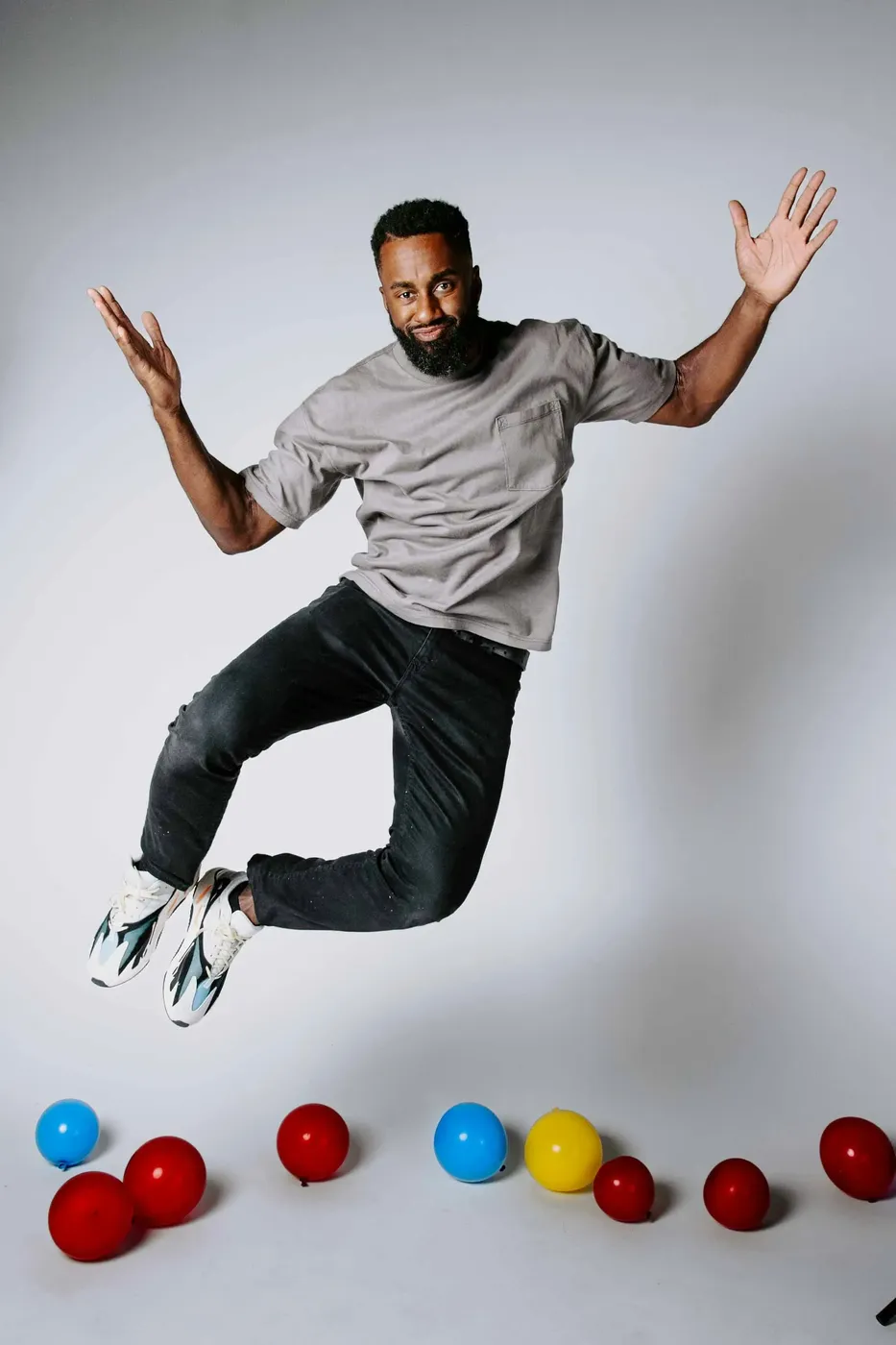
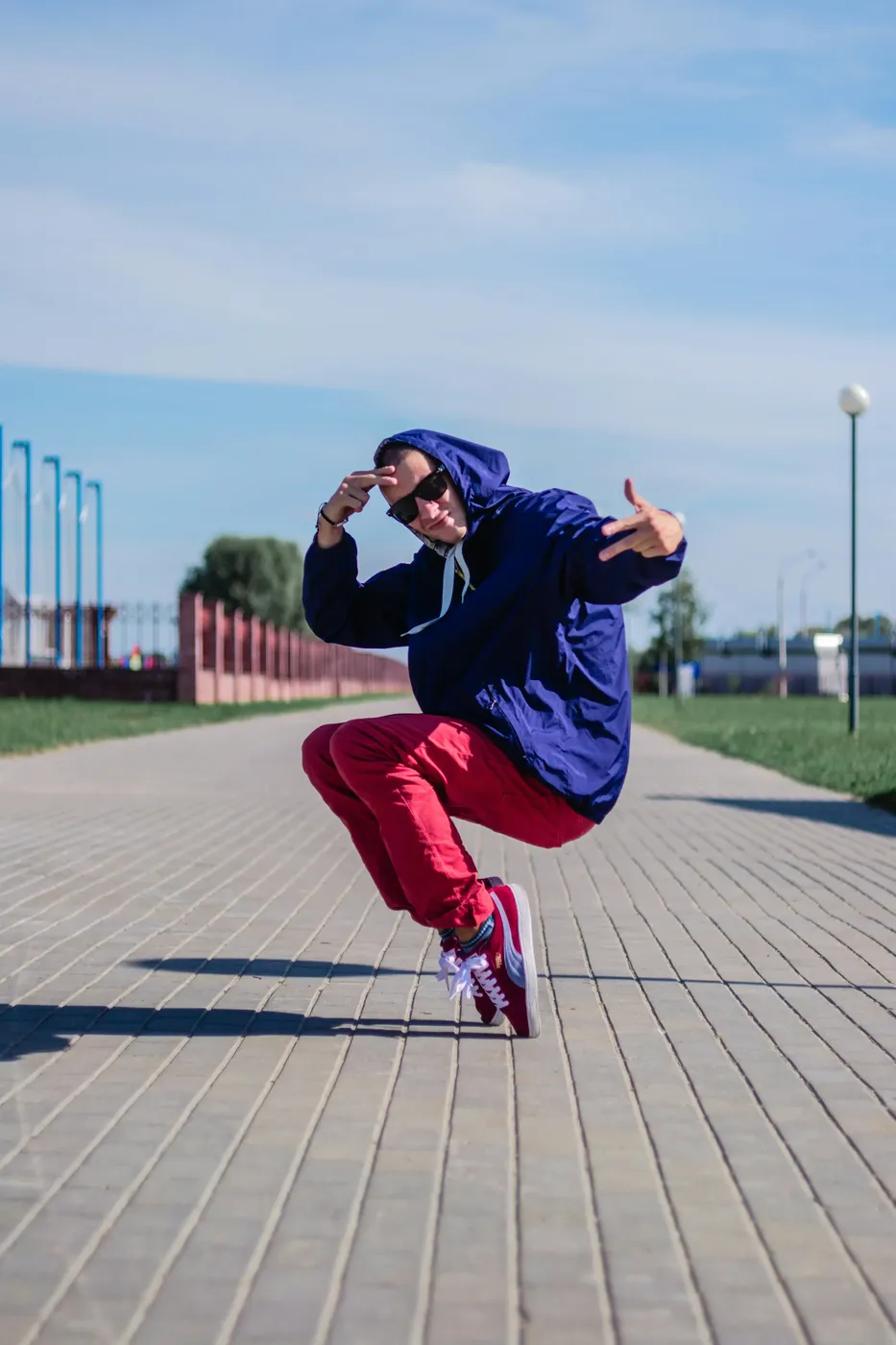
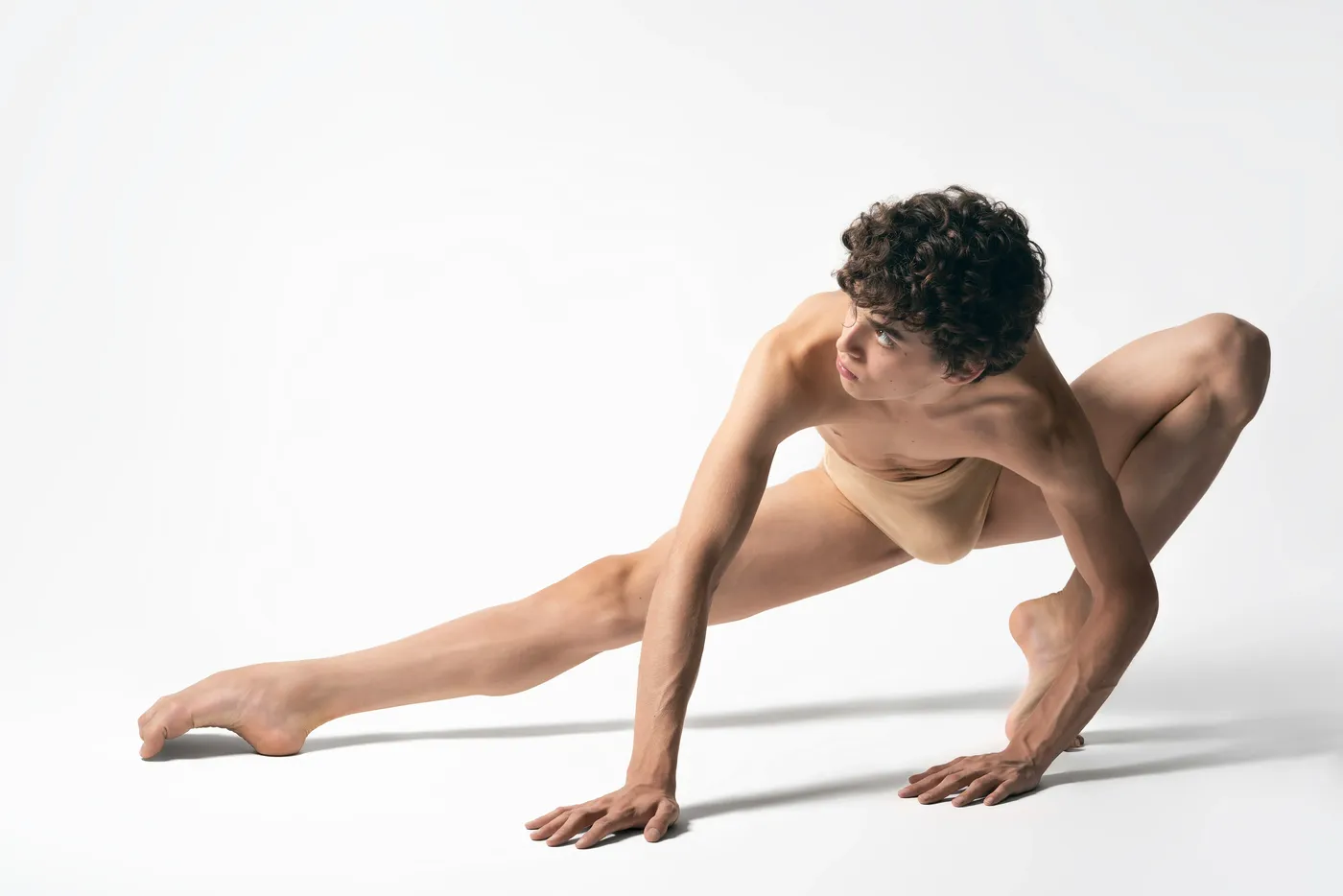
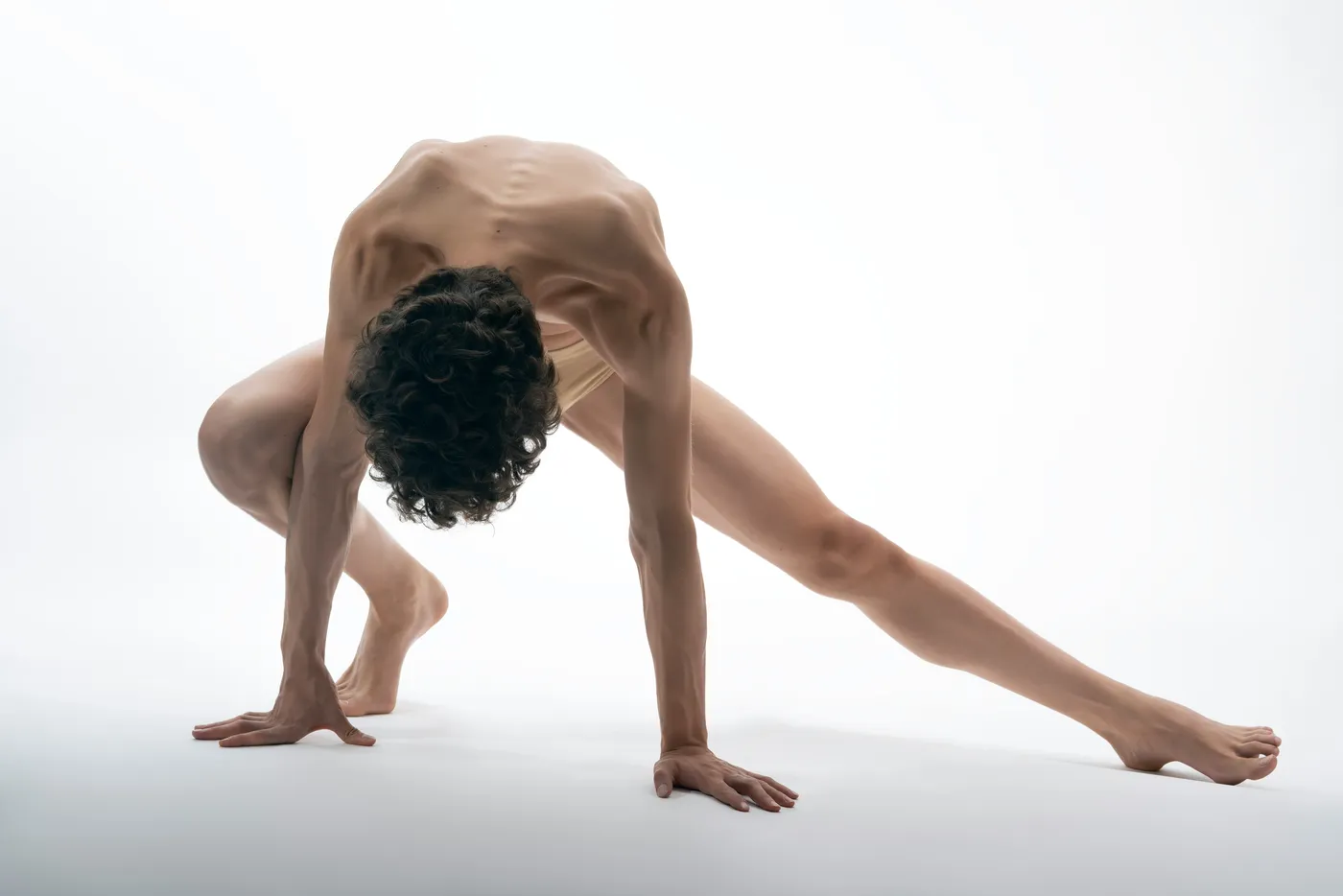

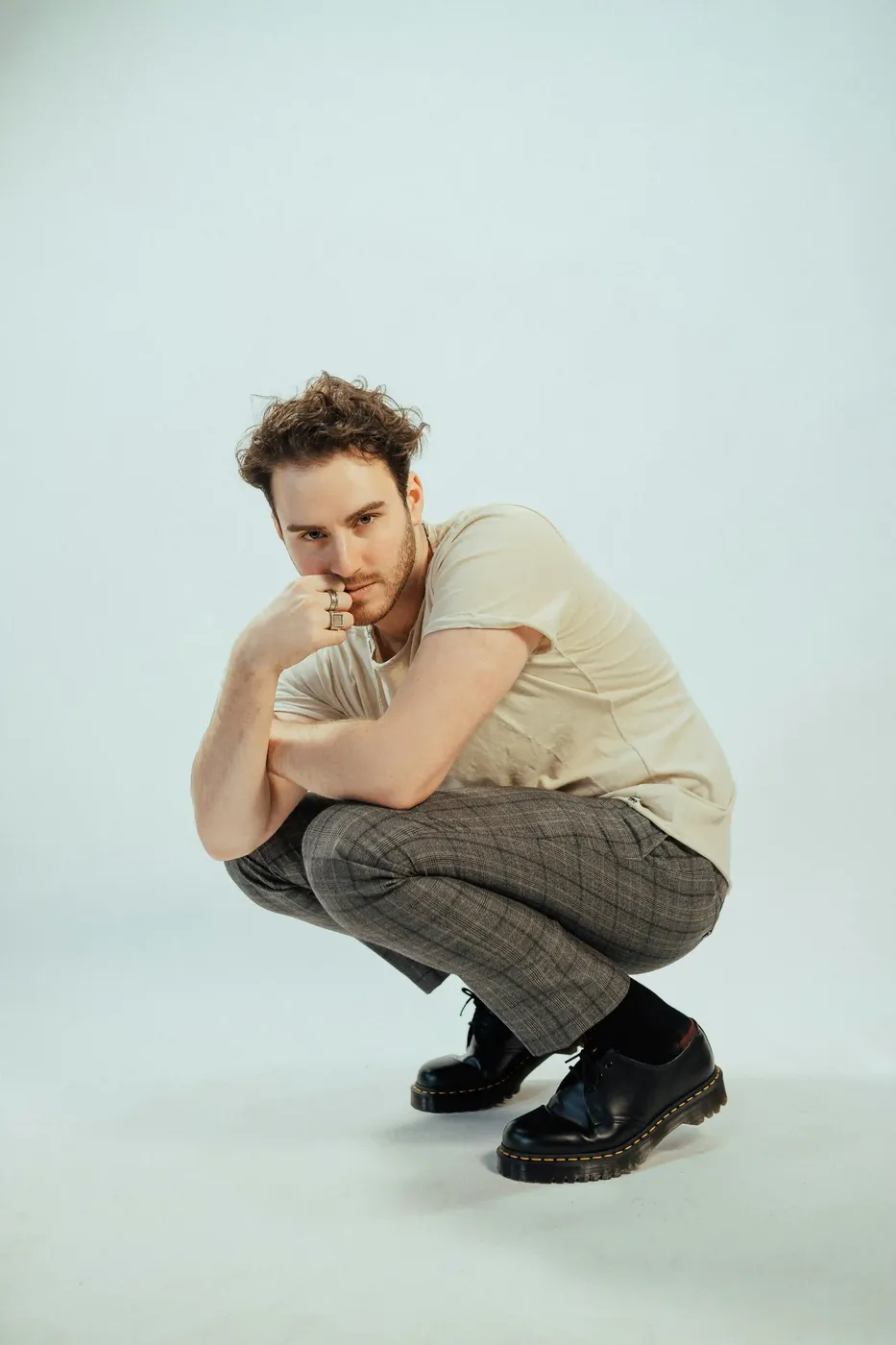
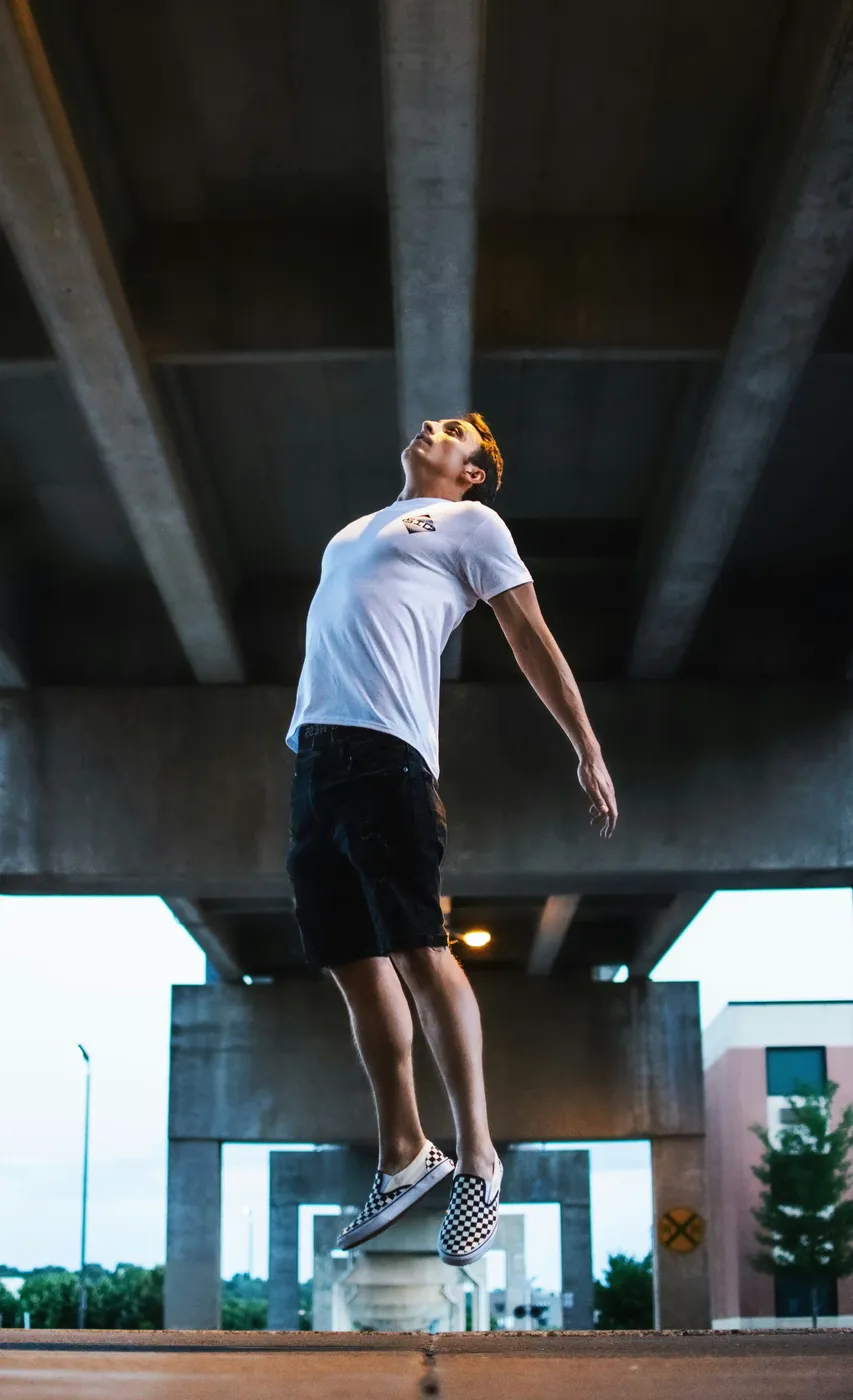
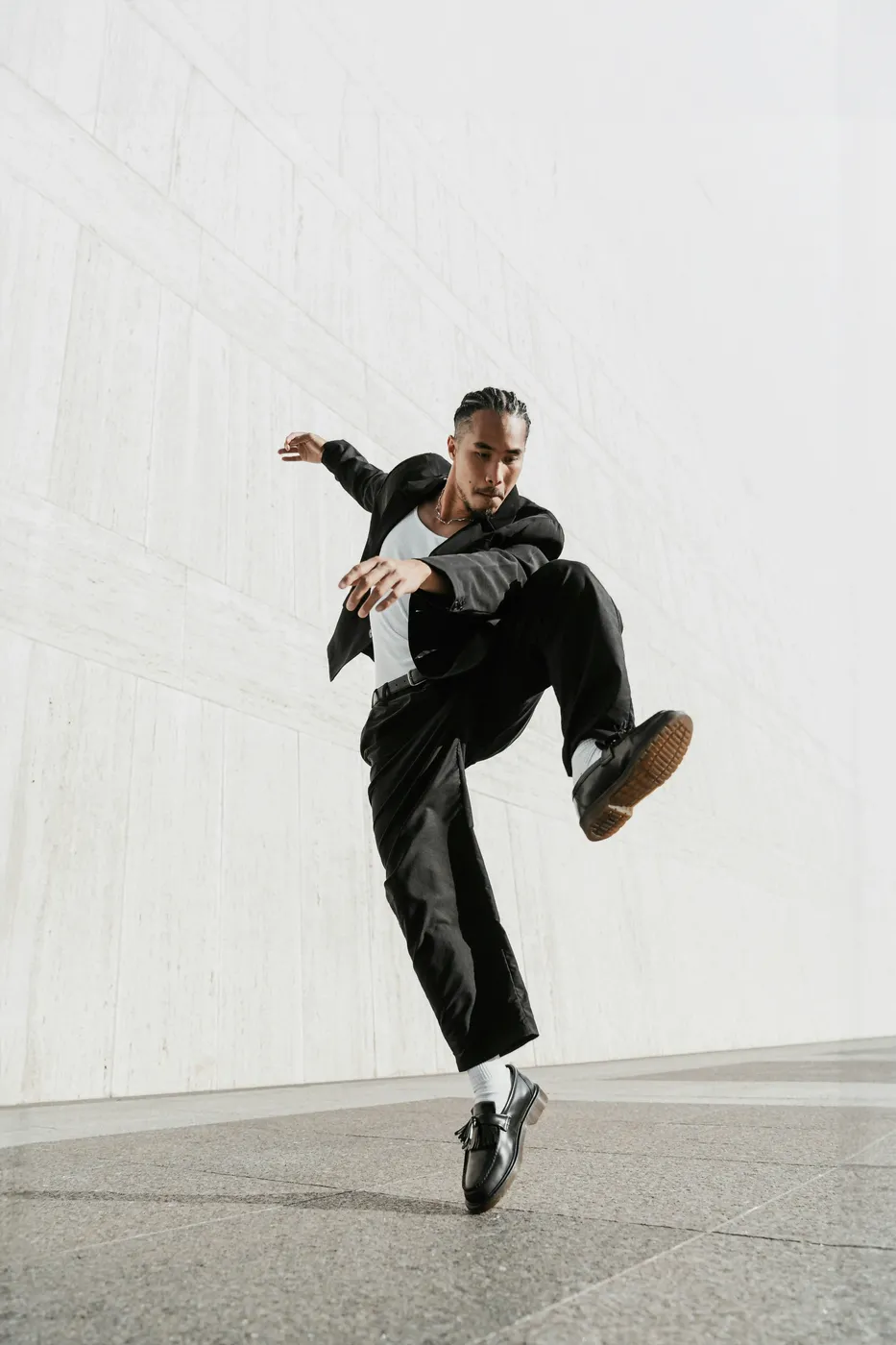
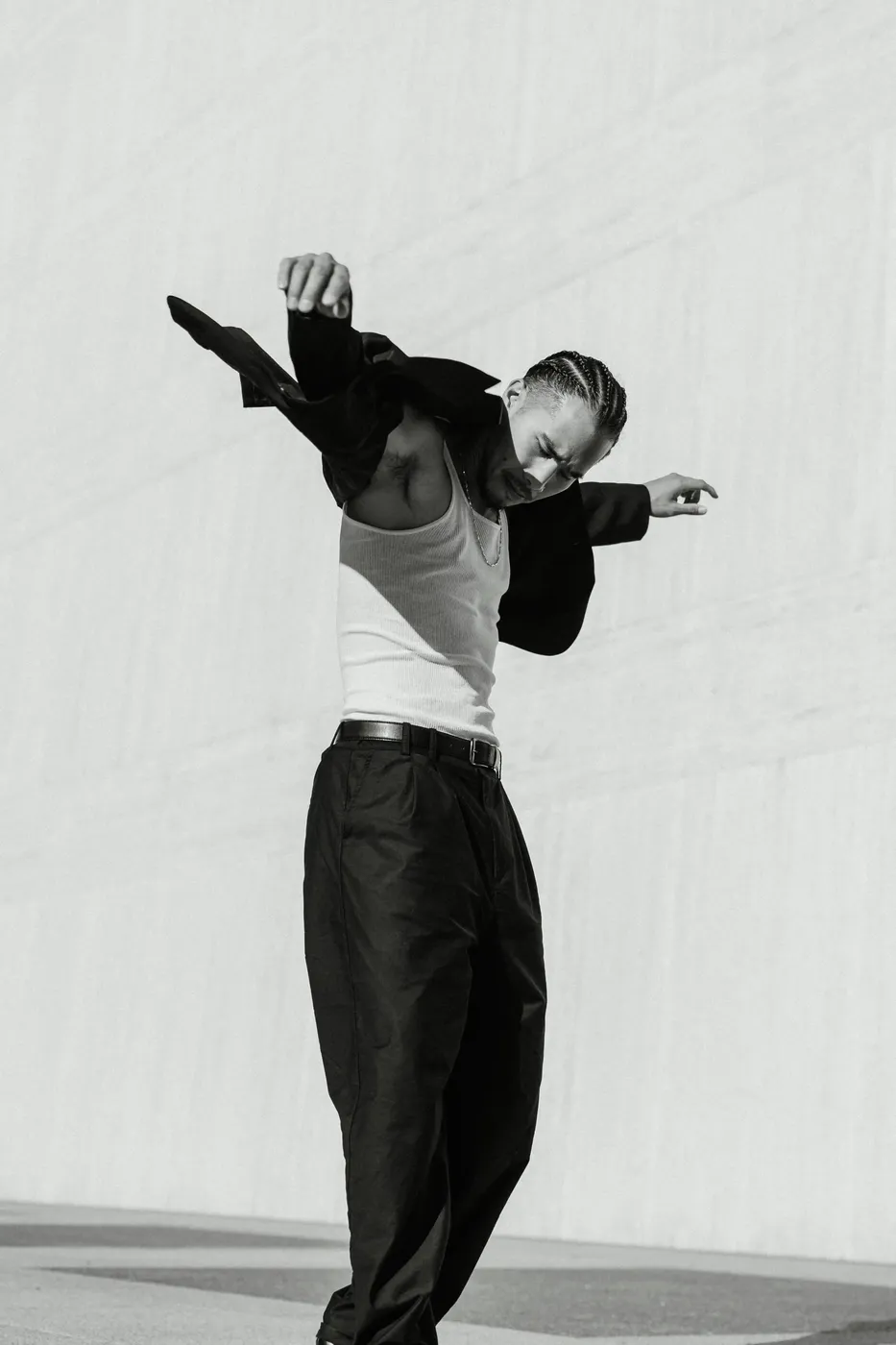

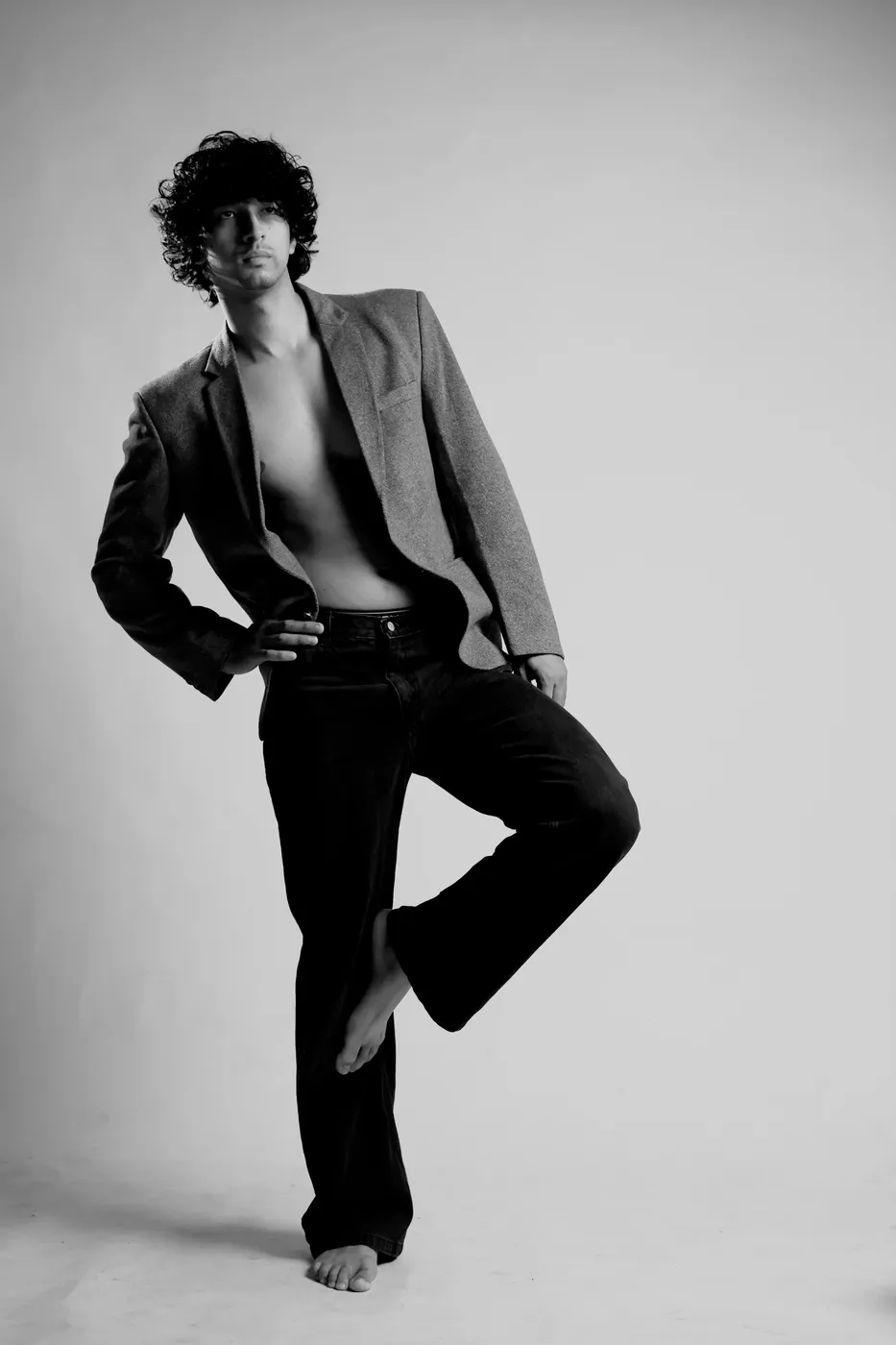
All 12 photographs are from Unsplash and free to draw from, including for work you sell.
The three masses
Think of the figure as three solid volumes connected by flexible joints: the head, the ribcage and the pelvis. Everything expressive in a pose comes from how those three are angled relative to one another. Limbs read as attached to those masses; they are not independent.
In male figures the ribcage tends to be proportionally larger and the shoulders wider relative to the pelvis, producing the characteristic tapering from shoulder to waist. Getting that single ratio right does more for the read than any amount of muscle definition.
Proportion as a check, not a formula
The classical figure is often taught at seven and a half to eight head heights. That is a useful sanity check, not a rule to draw by — real people vary, and foreshortening breaks the measurement immediately. Use it the way you would use a spellcheck: draw what you see, then measure to catch gross errors.
A practice routine
Run one-minute poses and draw only the three masses — head, ribcage, pelvis — as simple boxes or eggs, plus the line of action running through them. No limbs, no features. Ten poses of that will teach you more about figure construction than an hour of careful rendering, because it forces you to make the structural decision every single time.
For the anatomy side, slow down to 5 minutes and pick one region per session rather than trying to render the whole figure.