Female Pose Reference for Drawing
The same construction principles apply to any figure — head, ribcage and pelvis as three masses, connected by a line of action. What differs between figures is proportion, and the useful differences are fewer and simpler than most beginners assume.
▶ Start a timed session with these 14 posesOpens the free pose timer with this set loaded. Choose your own interval — 30 seconds to 5 minutes.
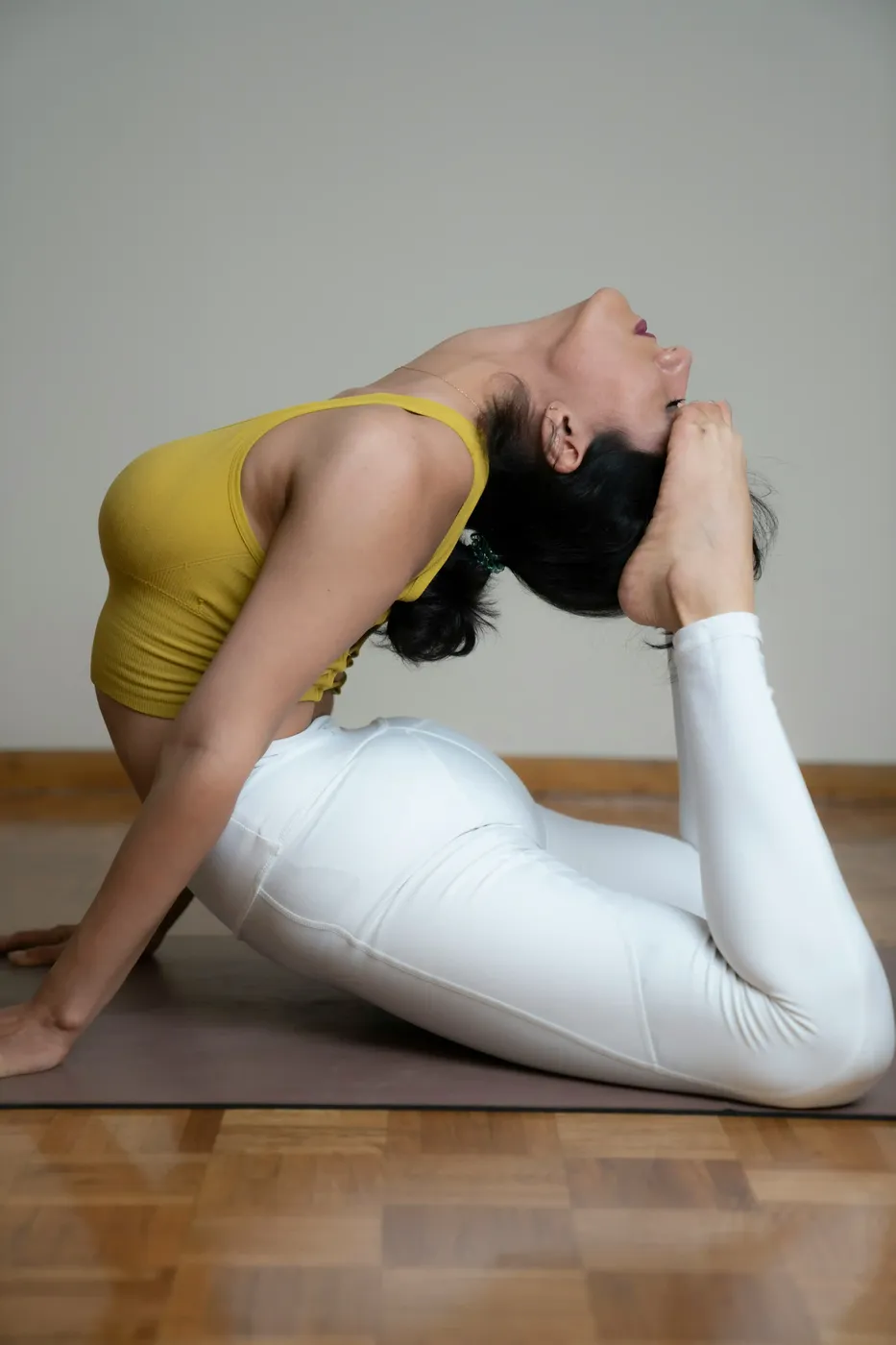
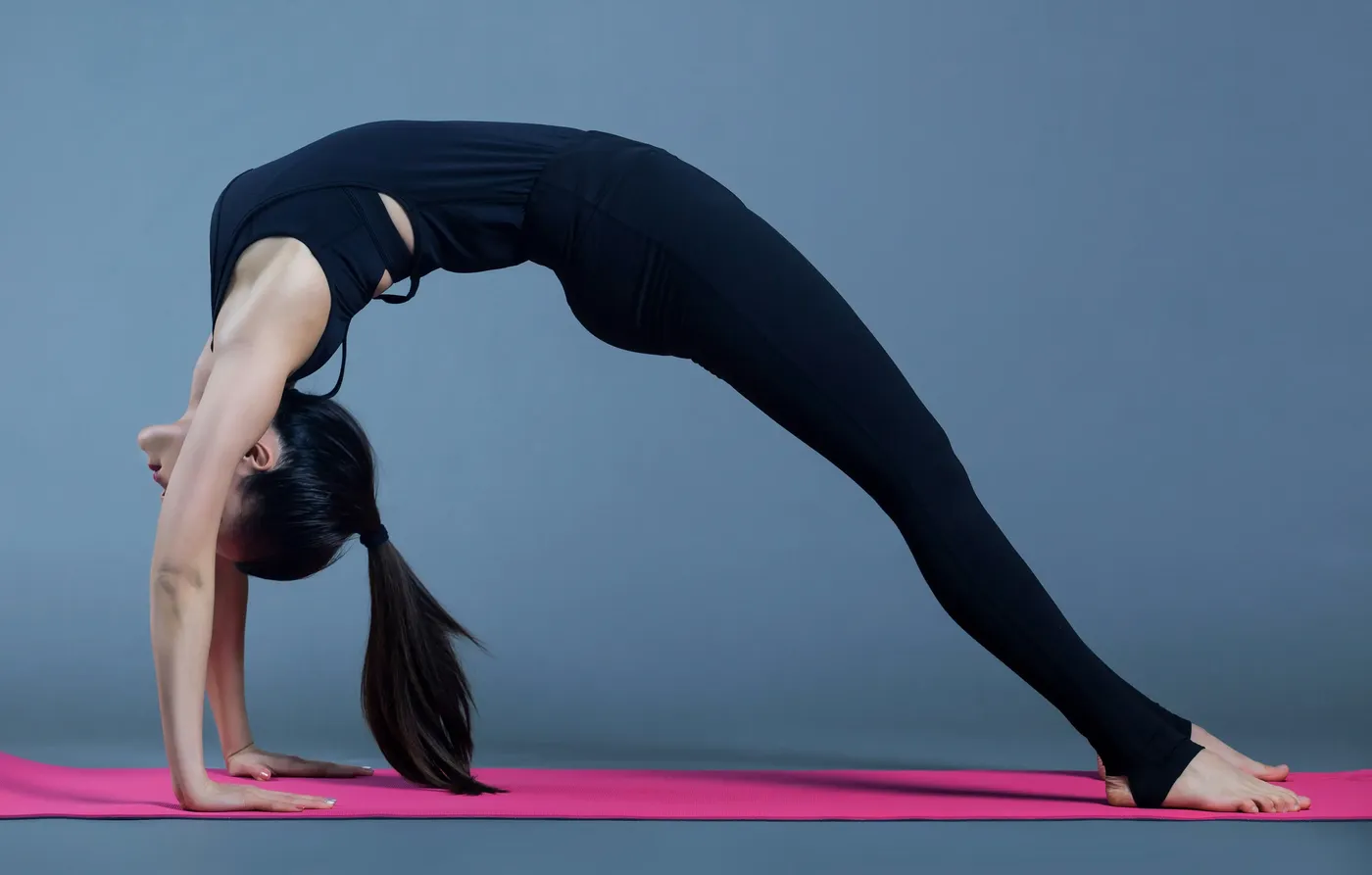
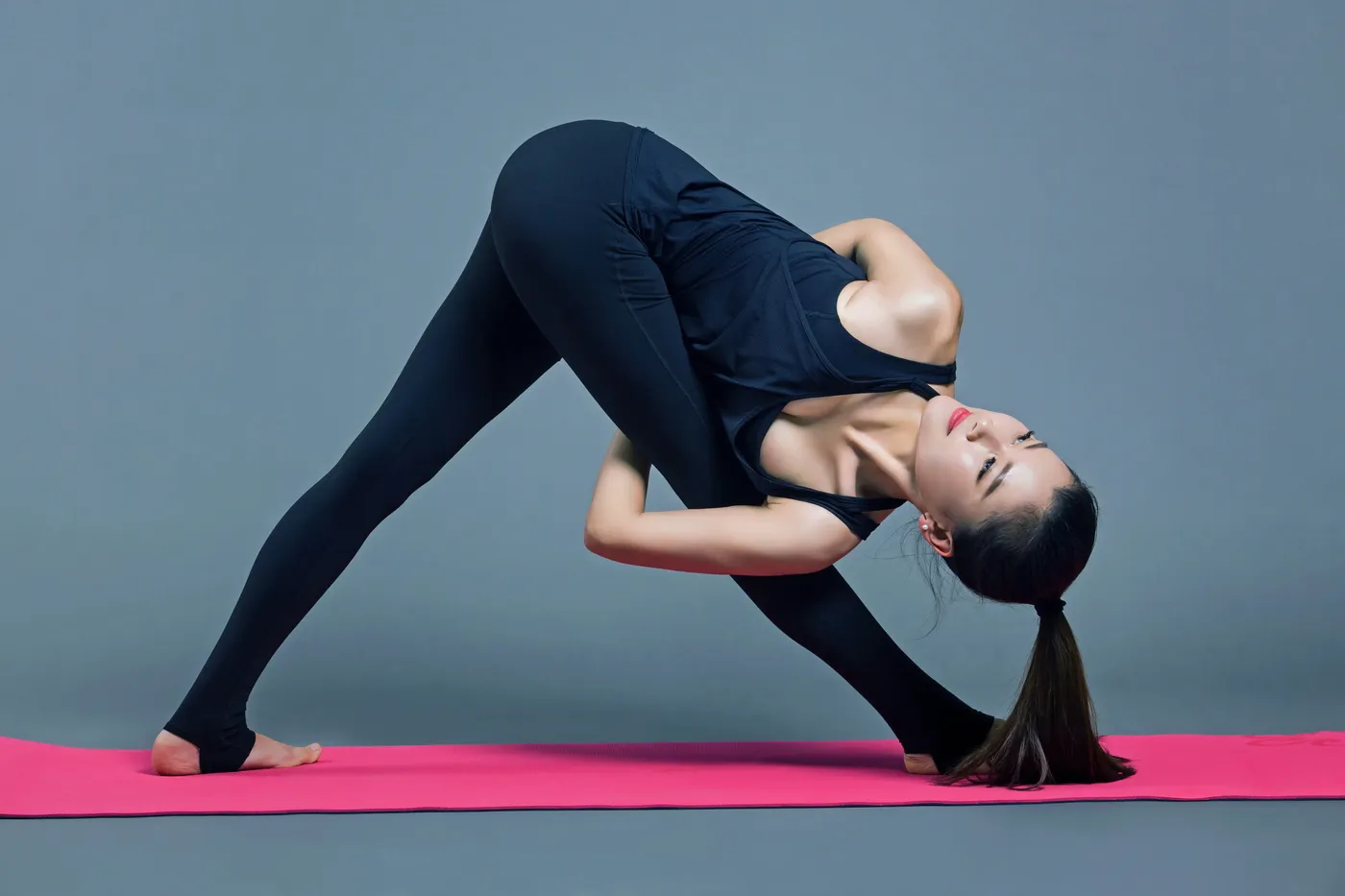
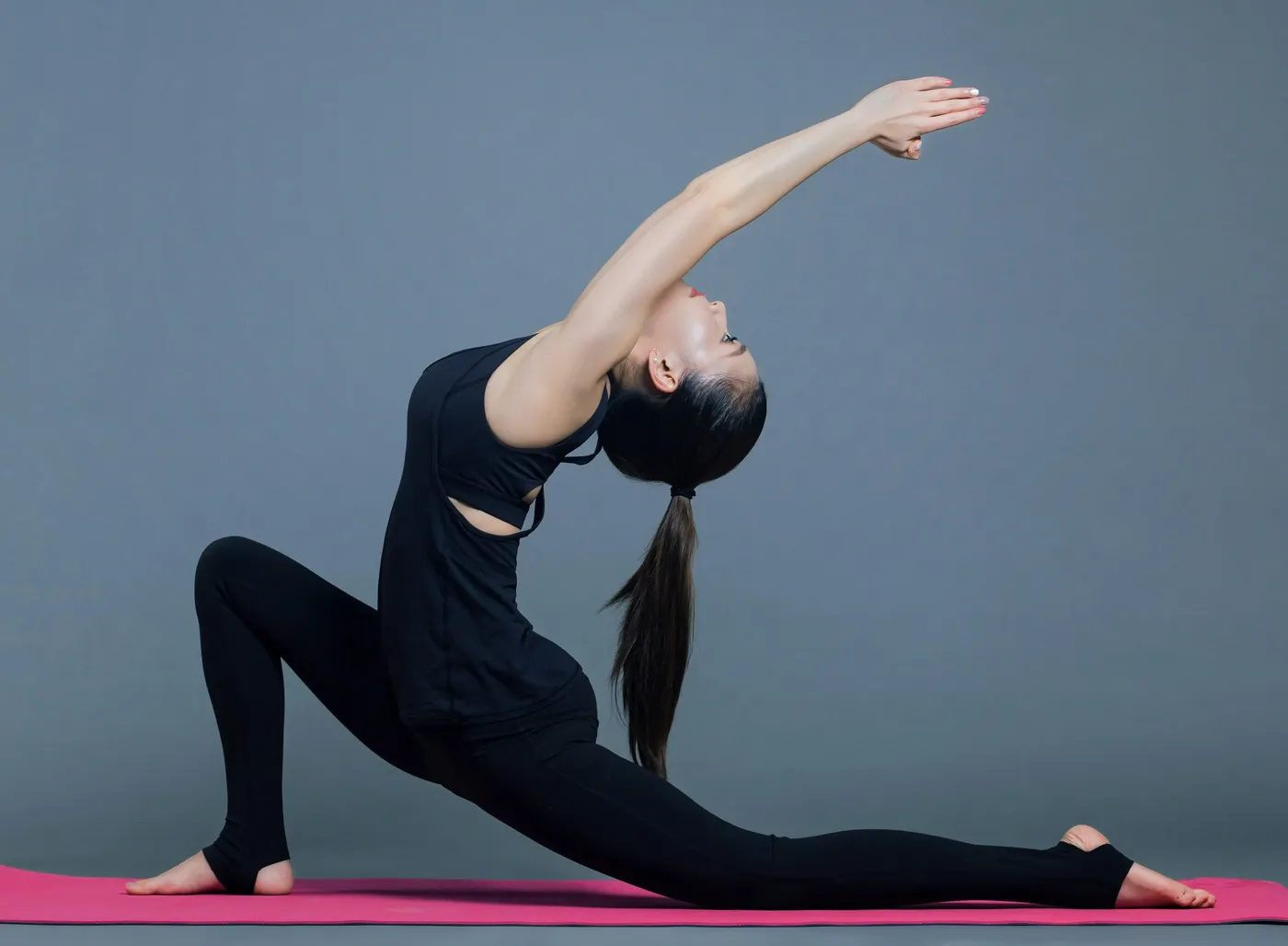
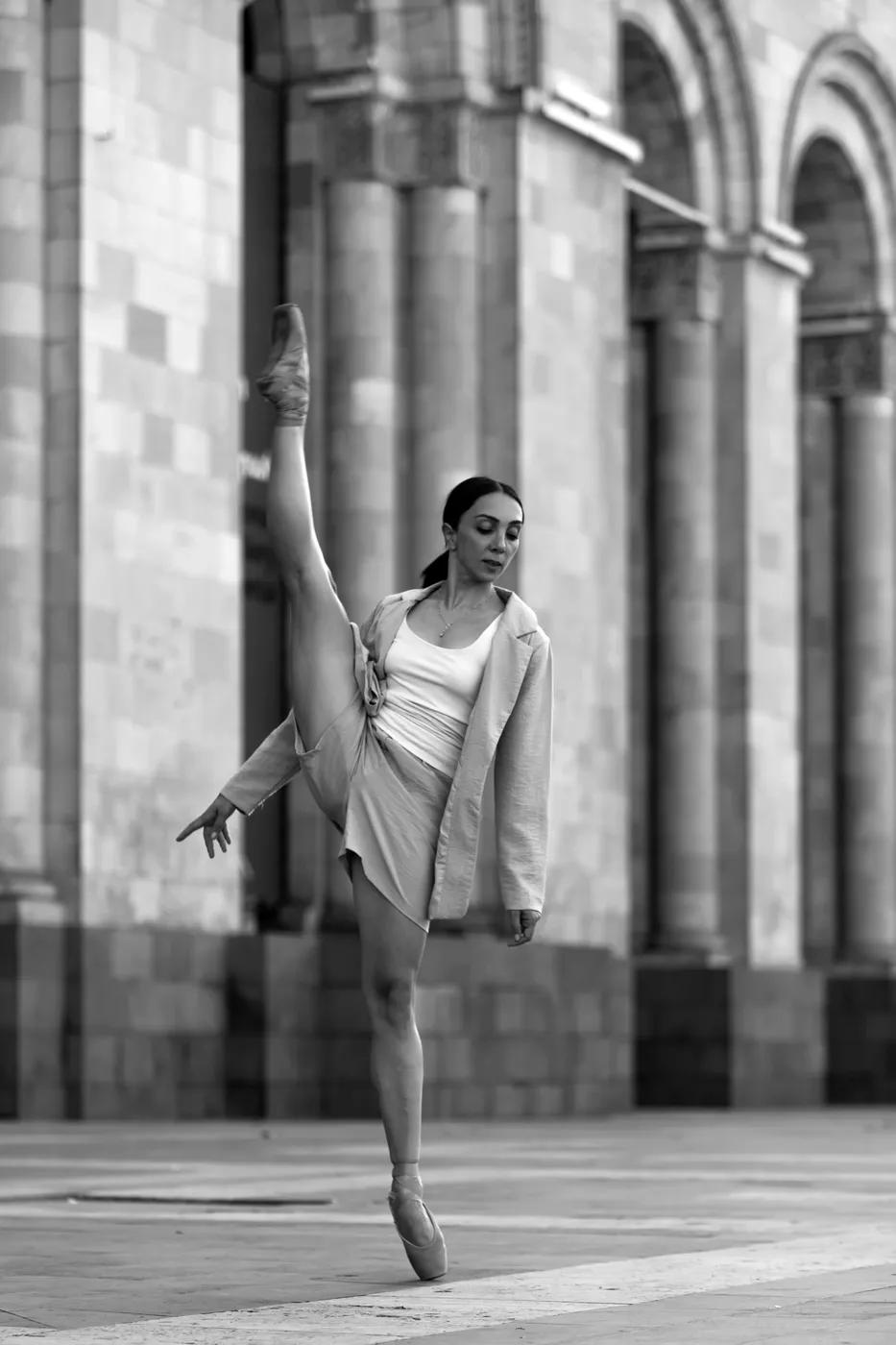
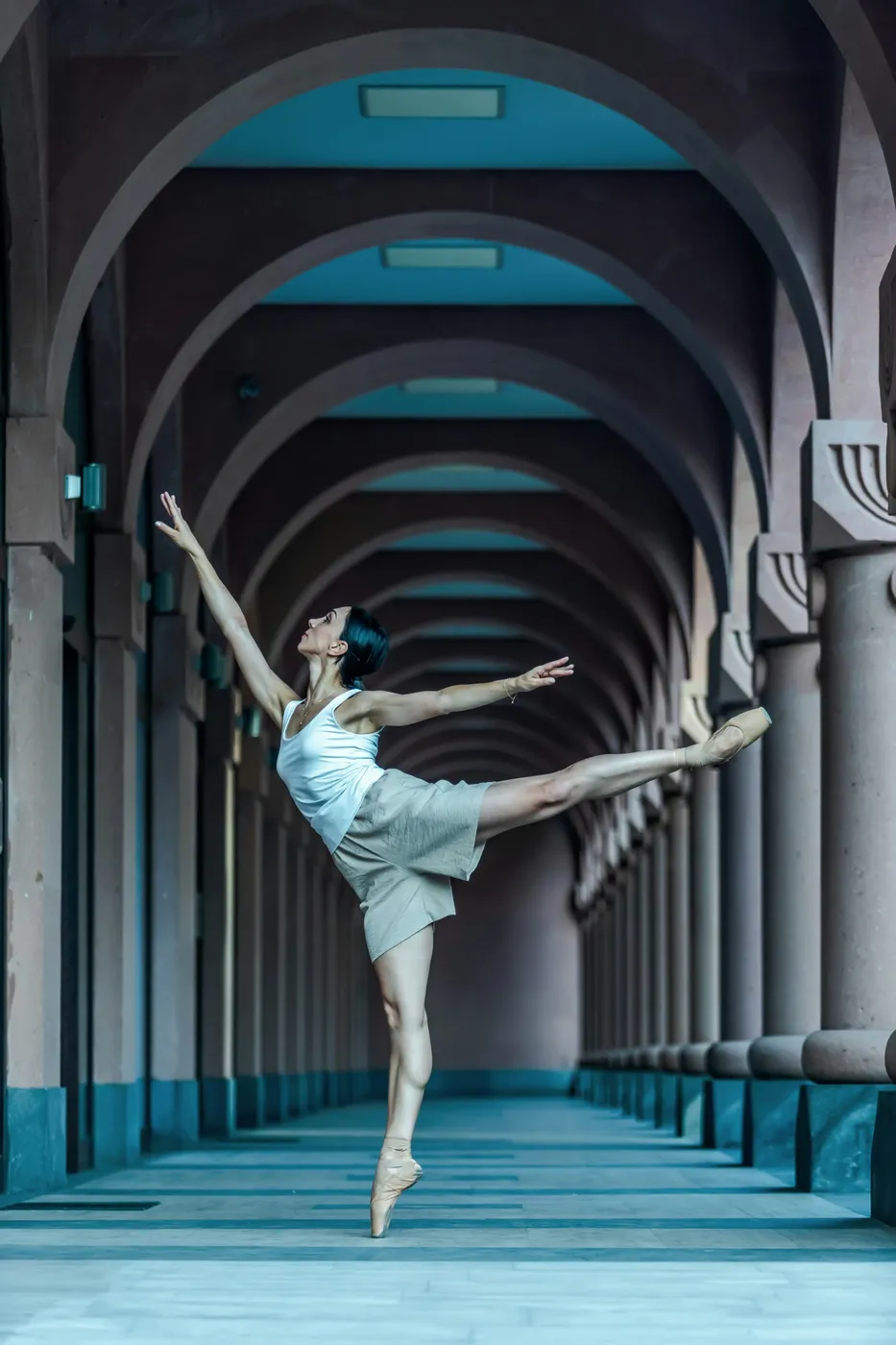
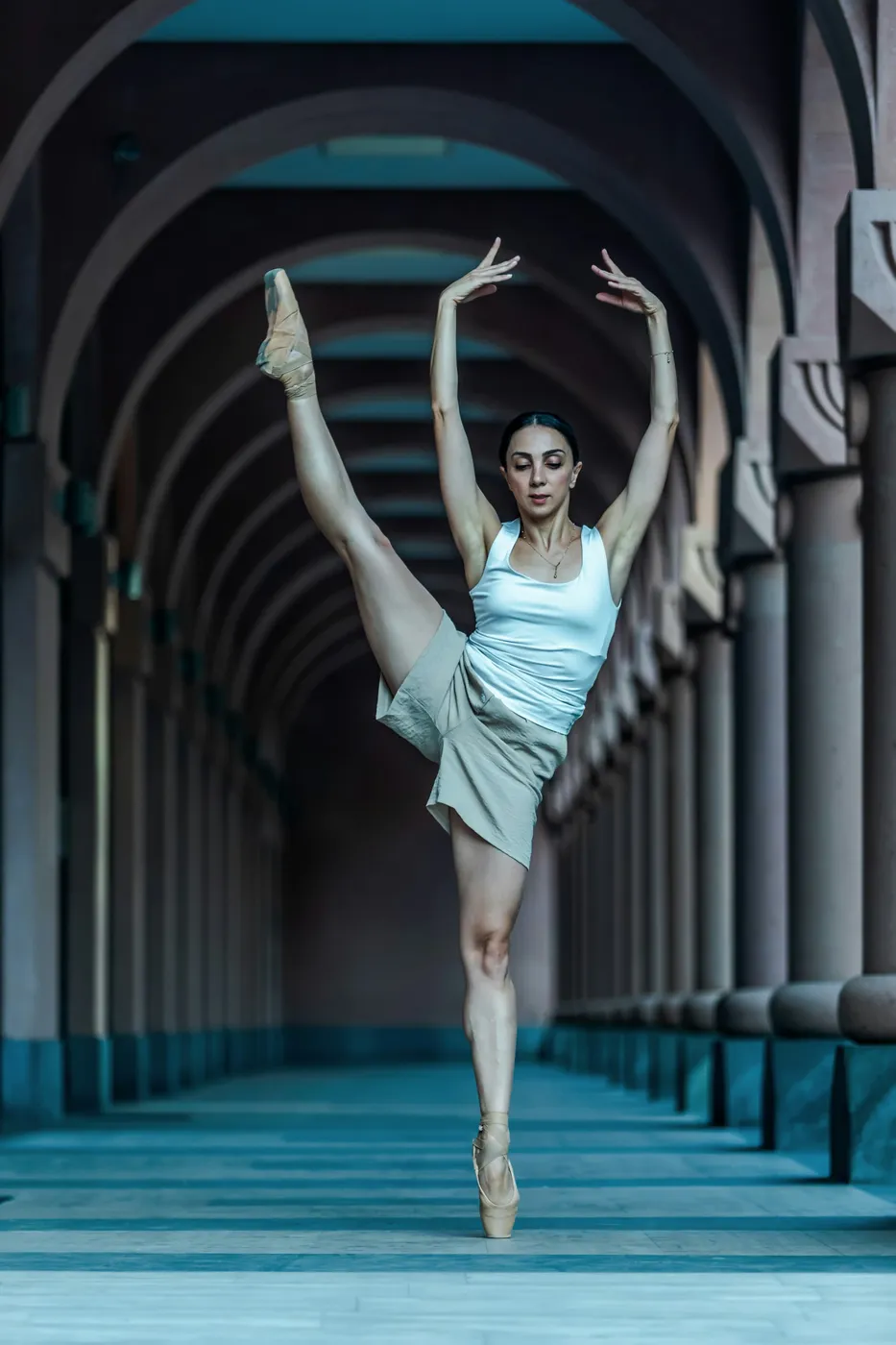
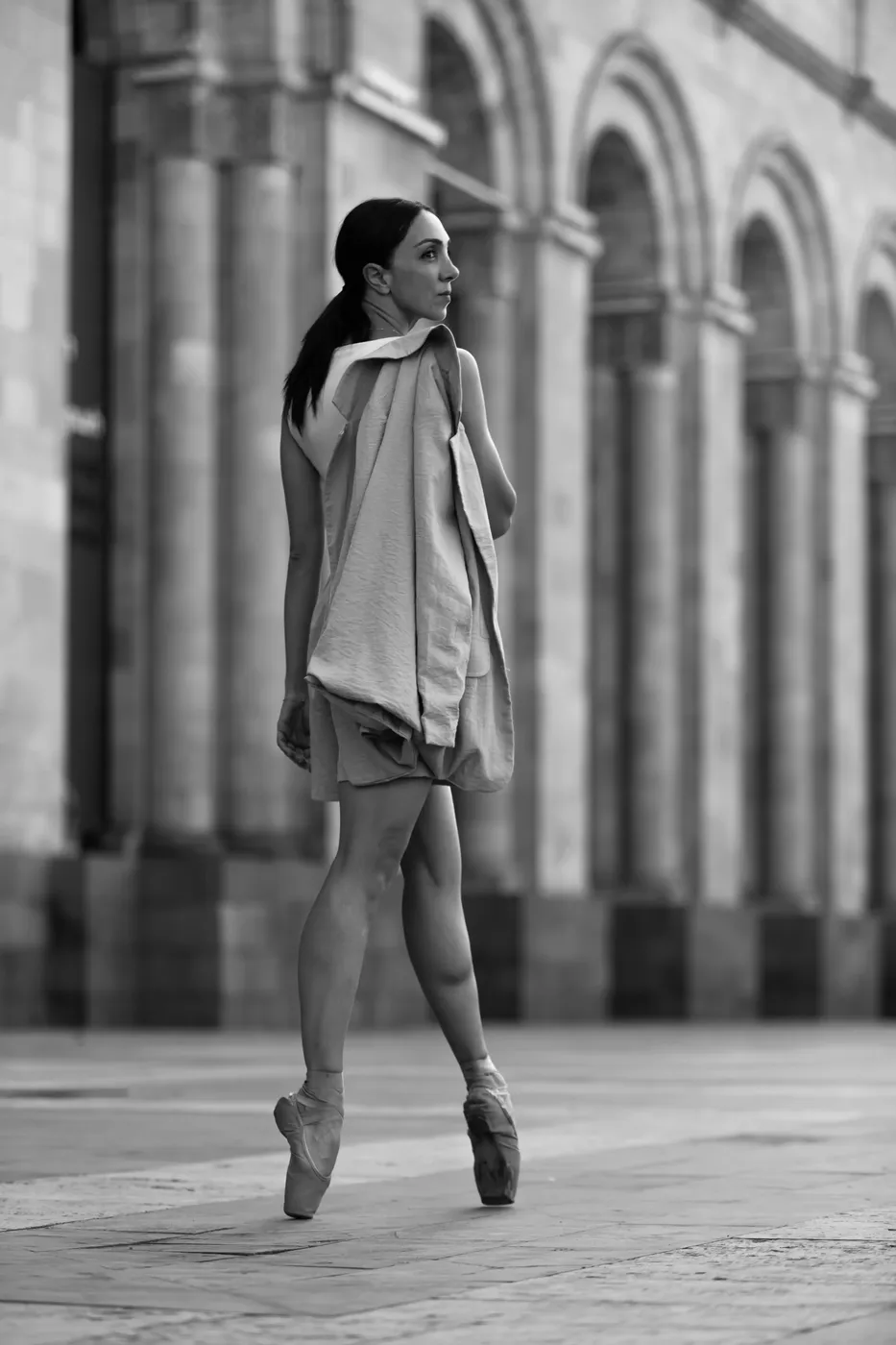
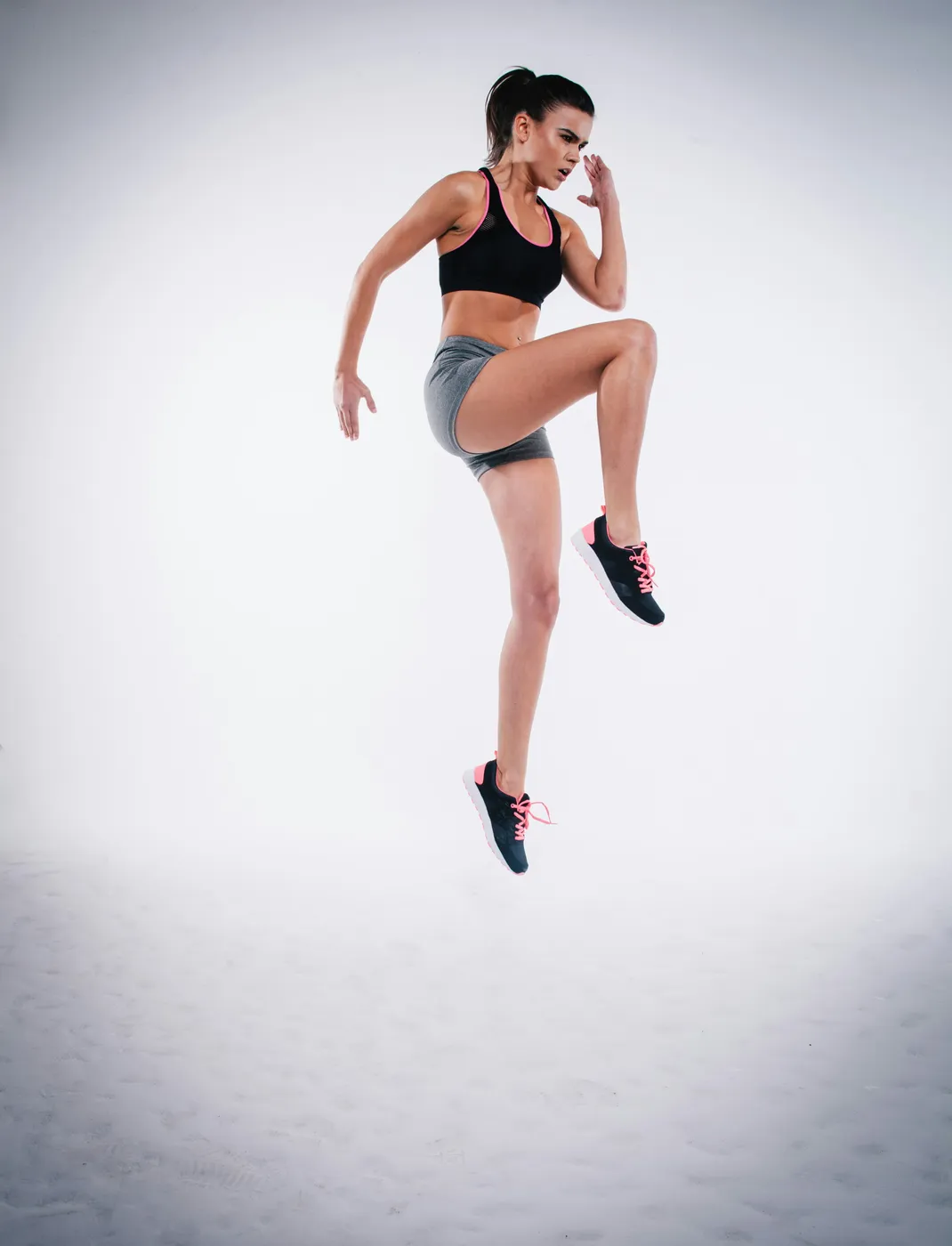
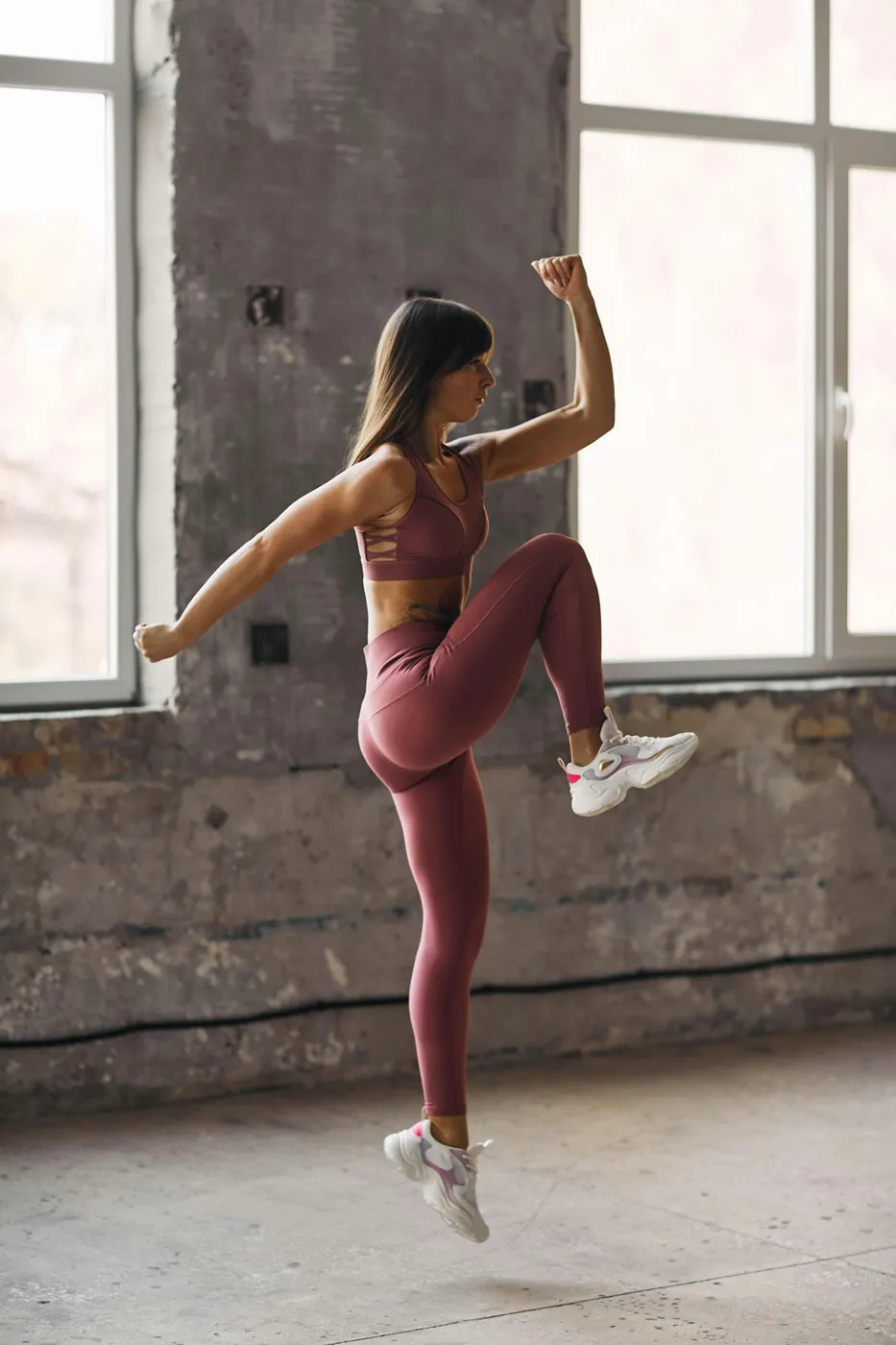

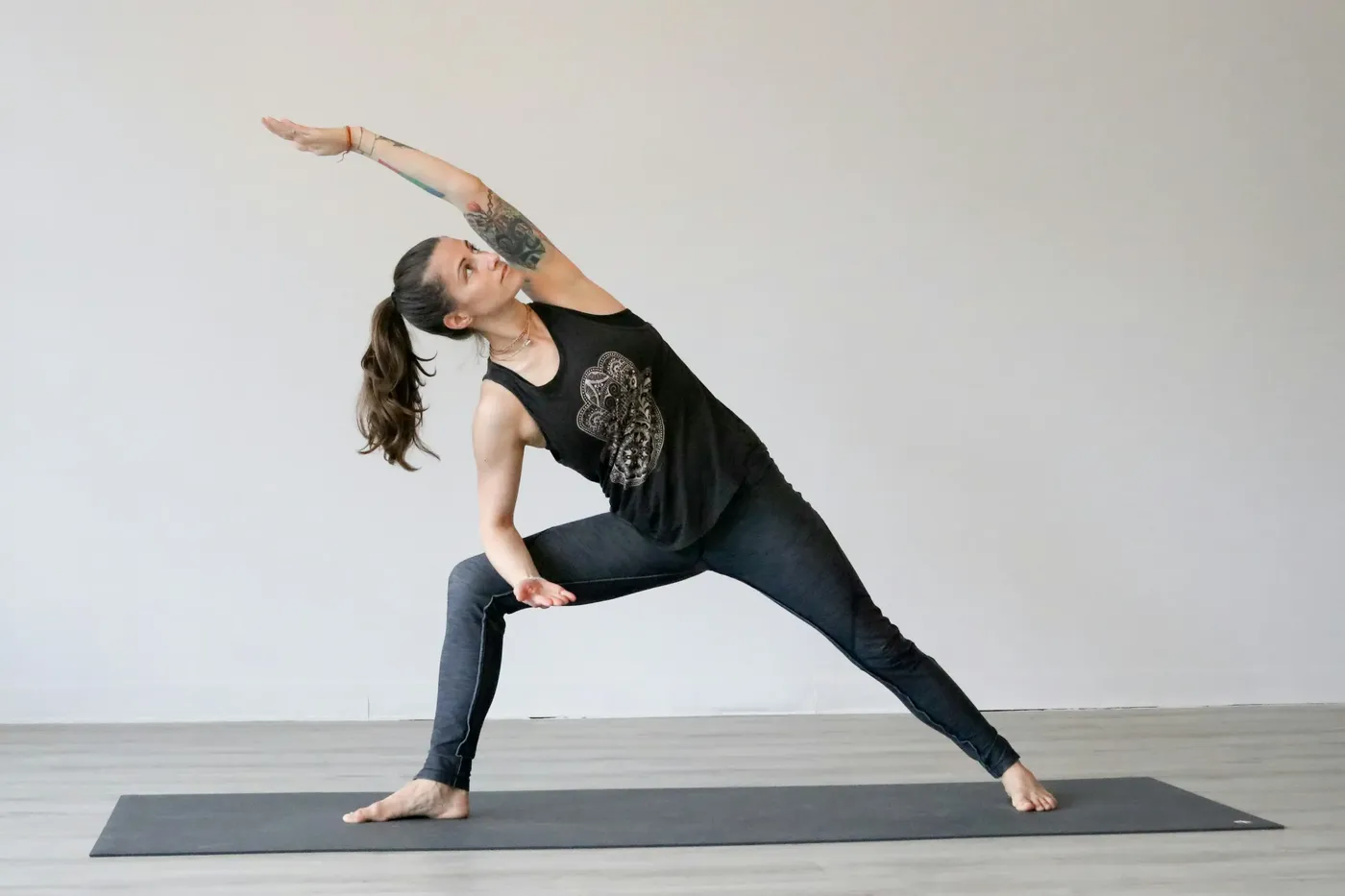
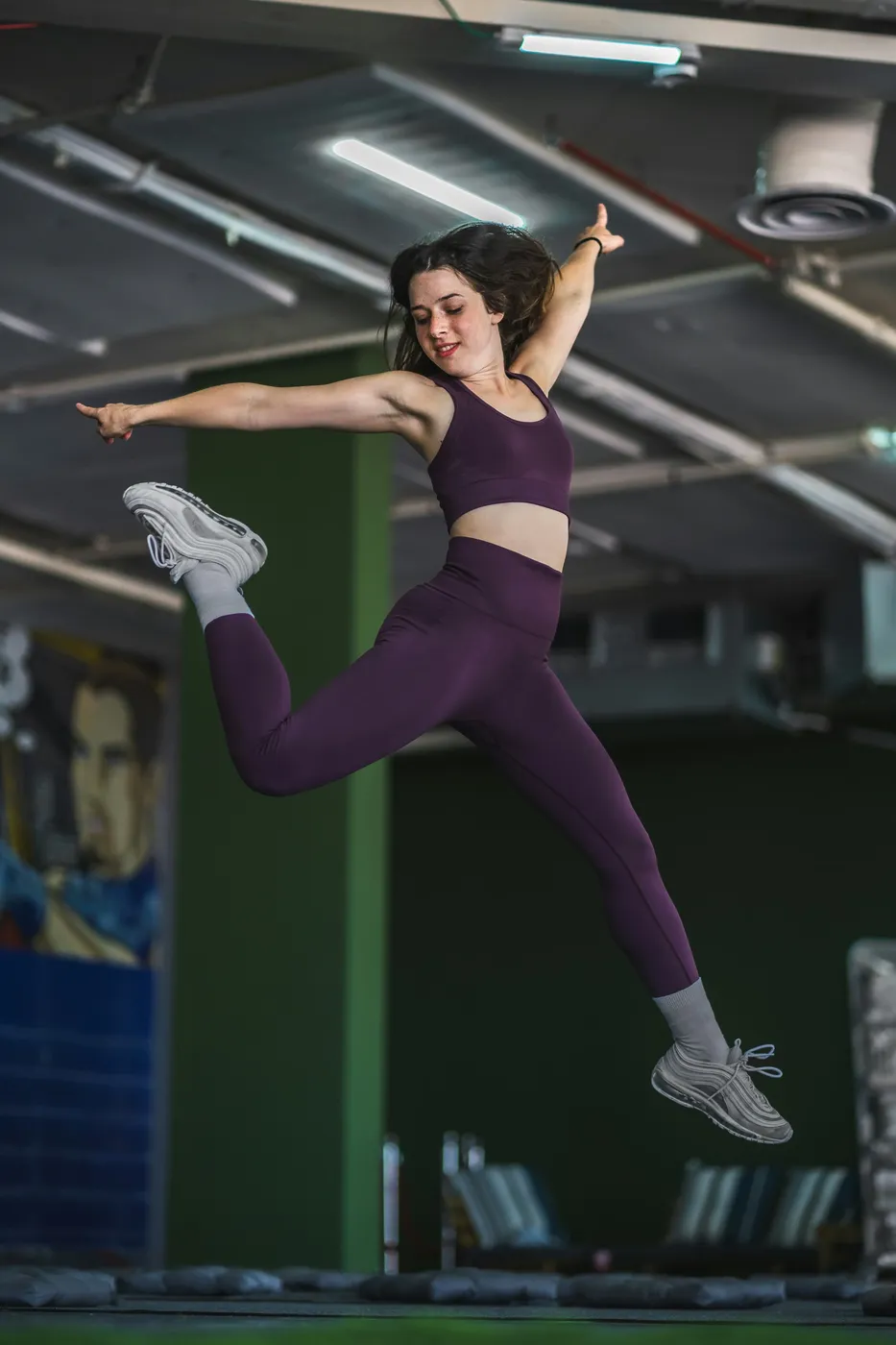
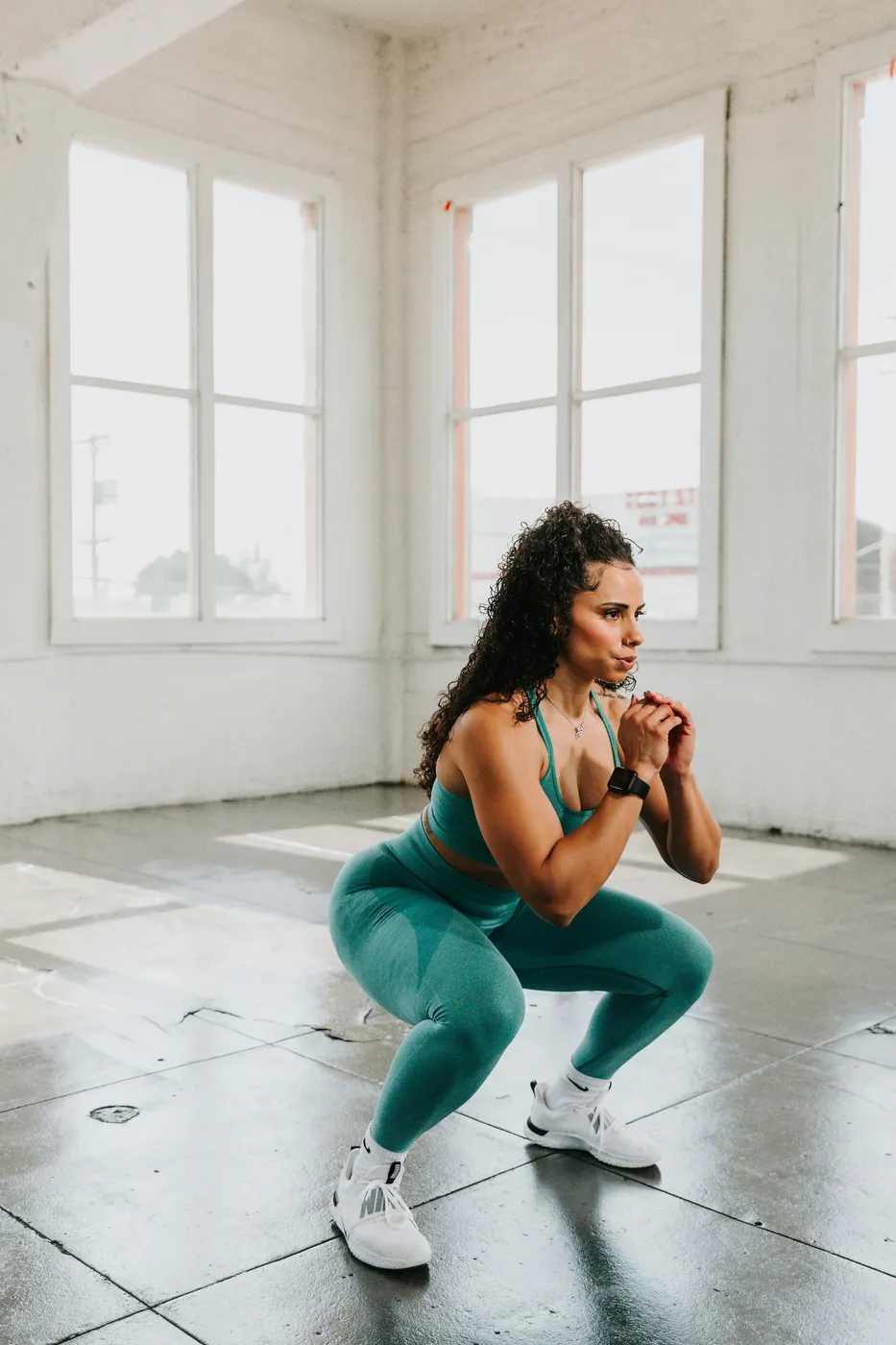
All 14 photographs are from Unsplash and free to draw from, including for work you sell.
Proportional relationships worth knowing
In female figures the pelvis tends to be proportionally wider relative to the ribcage, and the waist correspondingly narrower and set slightly higher. That produces a different silhouette rhythm — often described as an S-curve through the torso — but the underlying construction is identical. You are still drawing two boxes and negotiating the angle between them.
Avoid the common beginner trap of drawing the difference as a set of curves applied to the outline. Curves in a figure come from the underlying masses, not from smoothing the contour. A drawing that is curvy on the outside and structureless underneath reads as a decoration rather than a body.
Line of action
Before any construction, find the single line that describes the pose's main direction — usually running from the head down through the torso to the weight-bearing foot. Draw it as one continuous stroke. Everything you build afterwards should support that line rather than fight it. Poses lose their energy when the construction is accurate but the action line was never established.
A practice routine
Thirty-second gestures, ten of them, drawing nothing but the line of action and the two tilt lines for shoulders and hips. Then a set of two-minute poses adding the three masses. Save detail for a separate session — mixing gesture and rendering in the same pass usually means neither gets done properly.