Couple Pose Reference for Drawing
Two figures is not twice the difficulty of one — it is a different problem. With a single figure the drawing question is anatomy and balance. With two, a third element appears that does not exist in solo work: the shape of the space between them.
▶ Start a timed session with these 13 posesOpens the free pose timer with this set loaded. Choose your own interval — 30 seconds to 5 minutes.
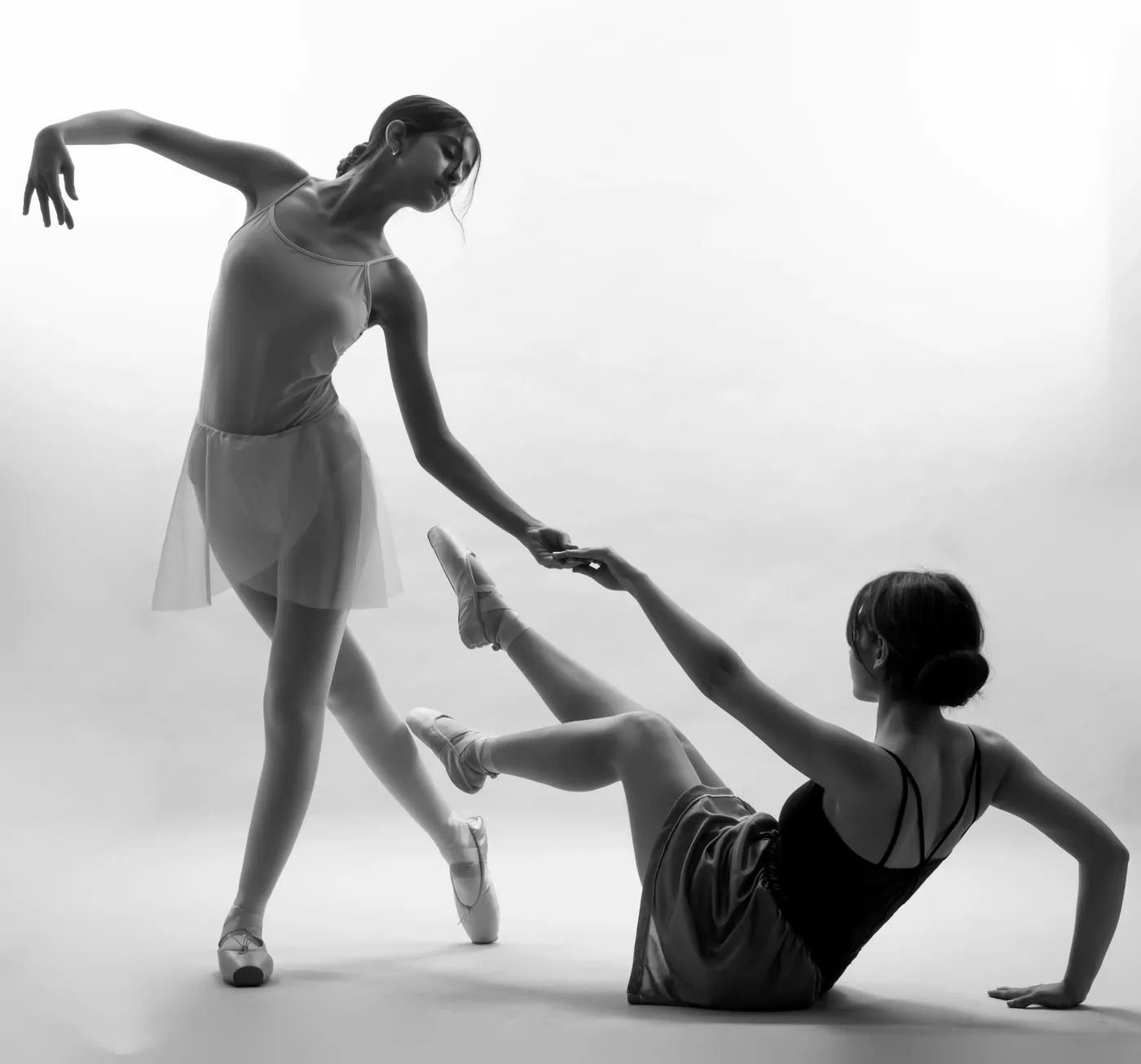
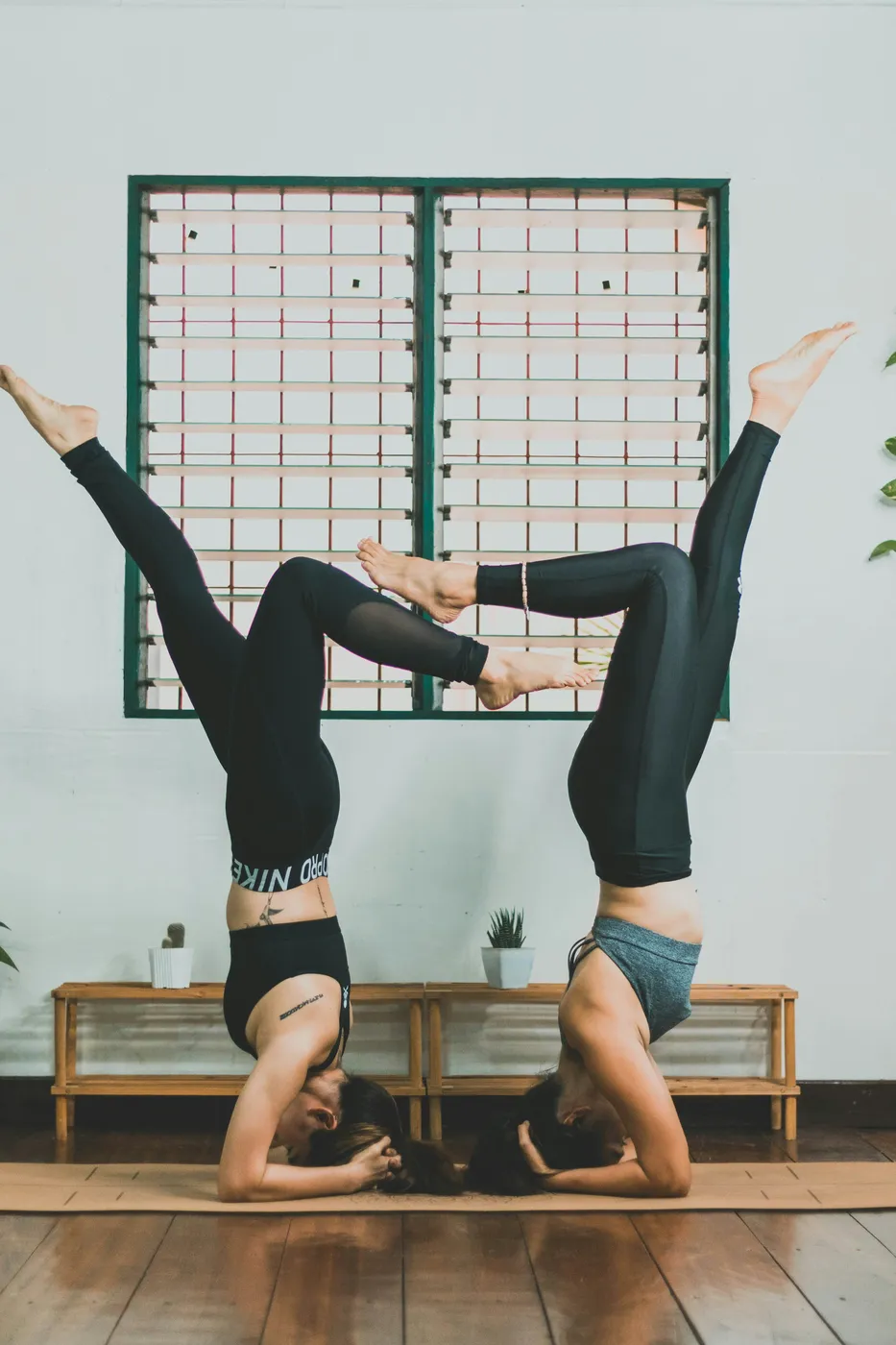
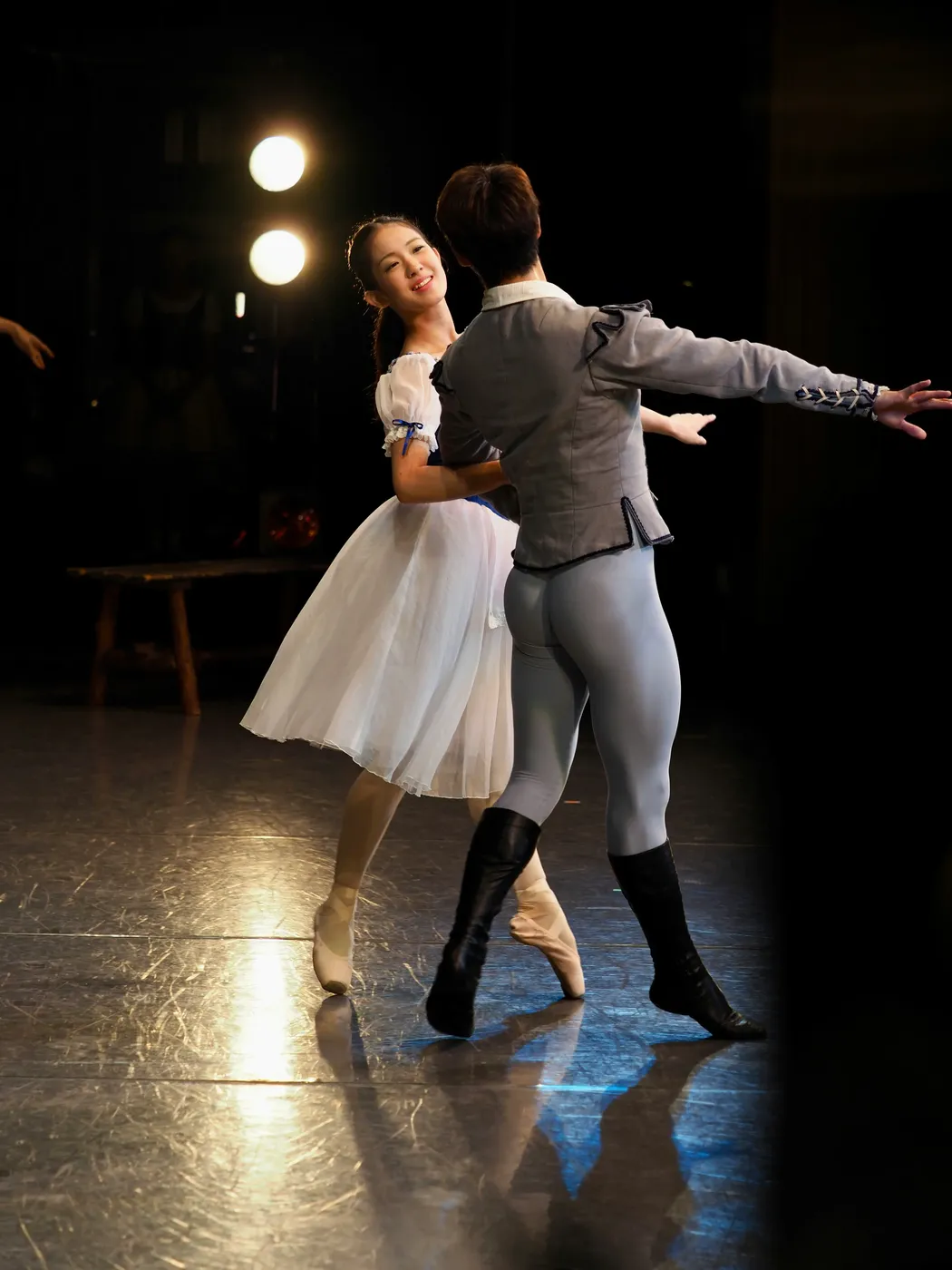
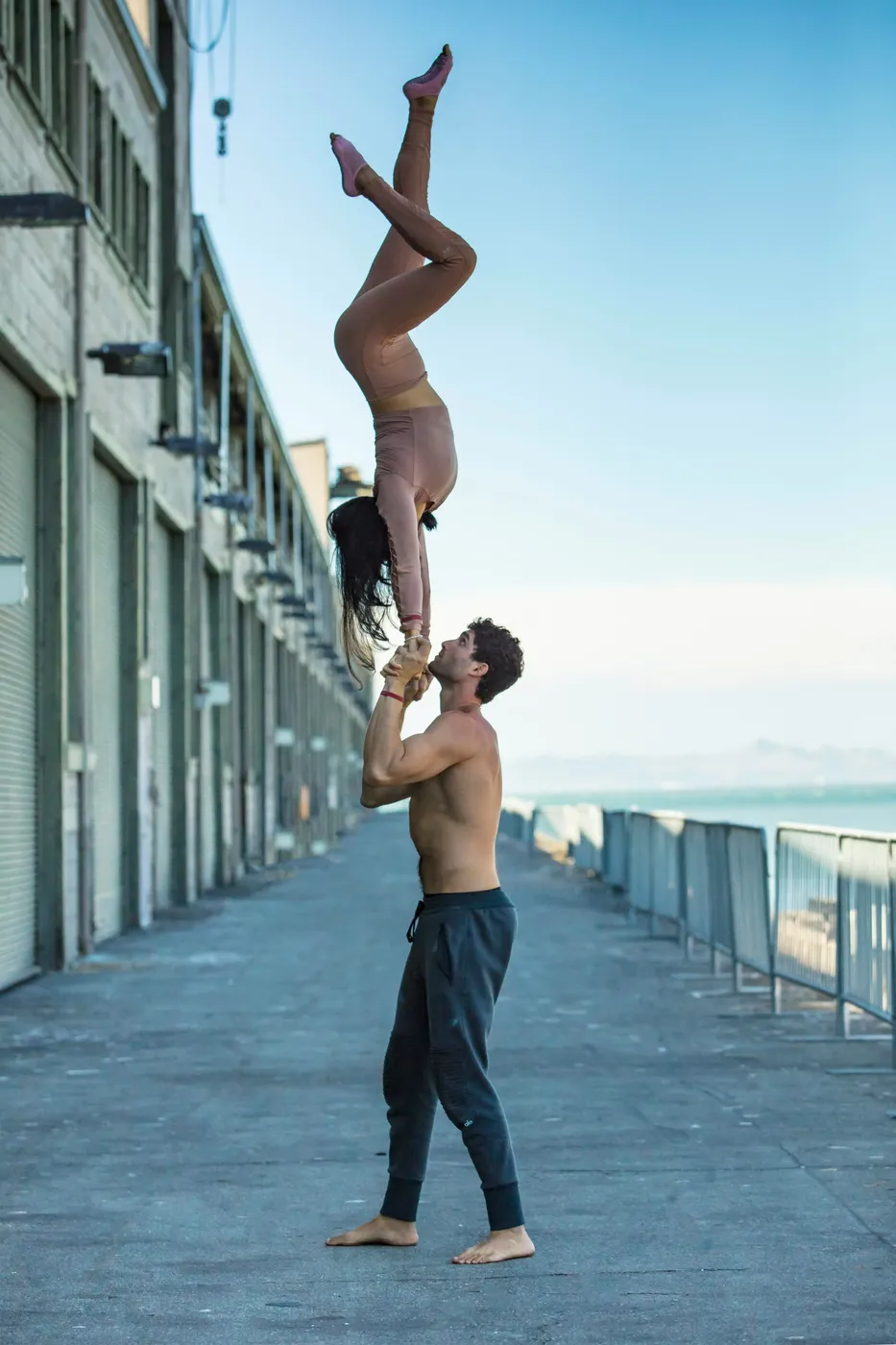
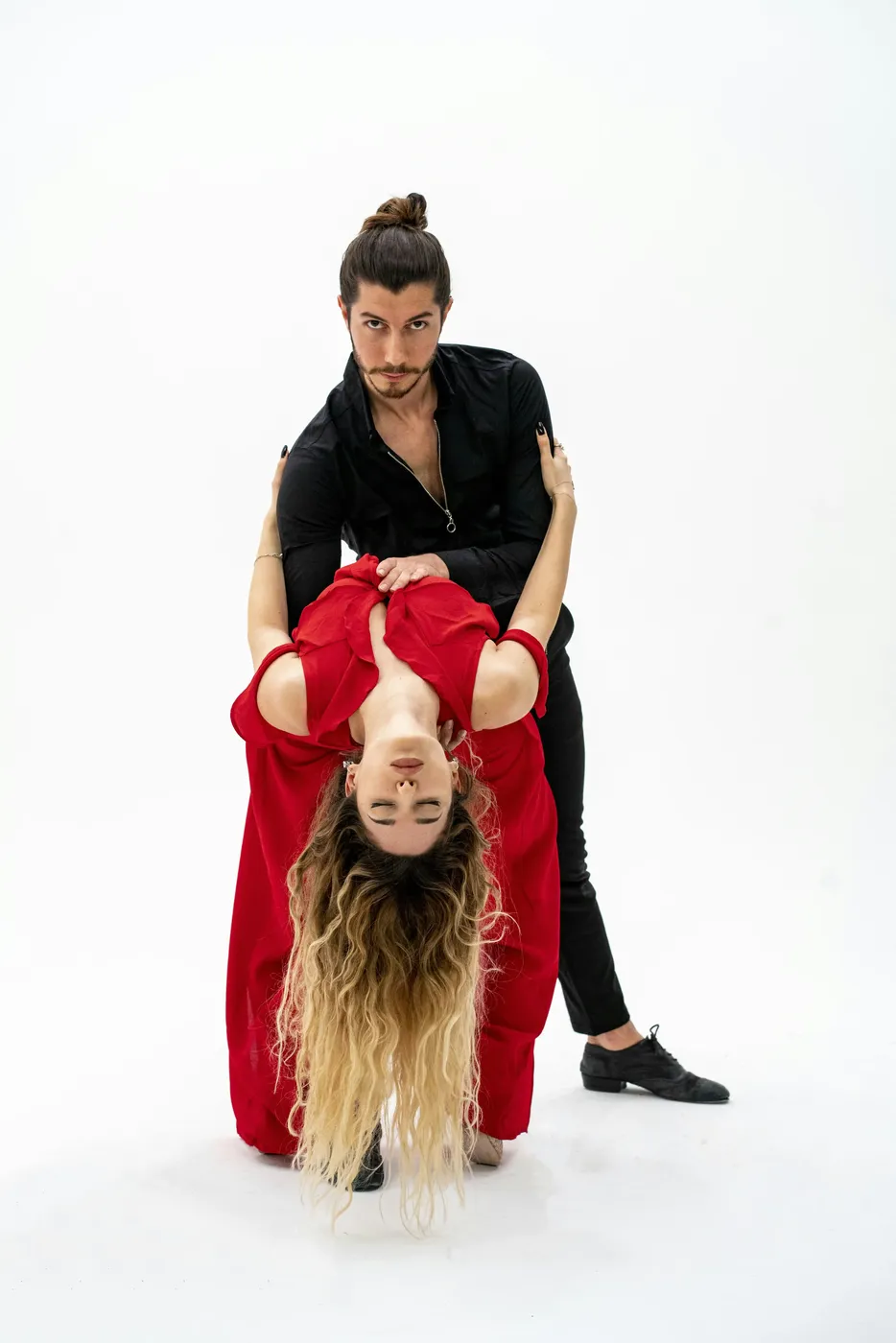
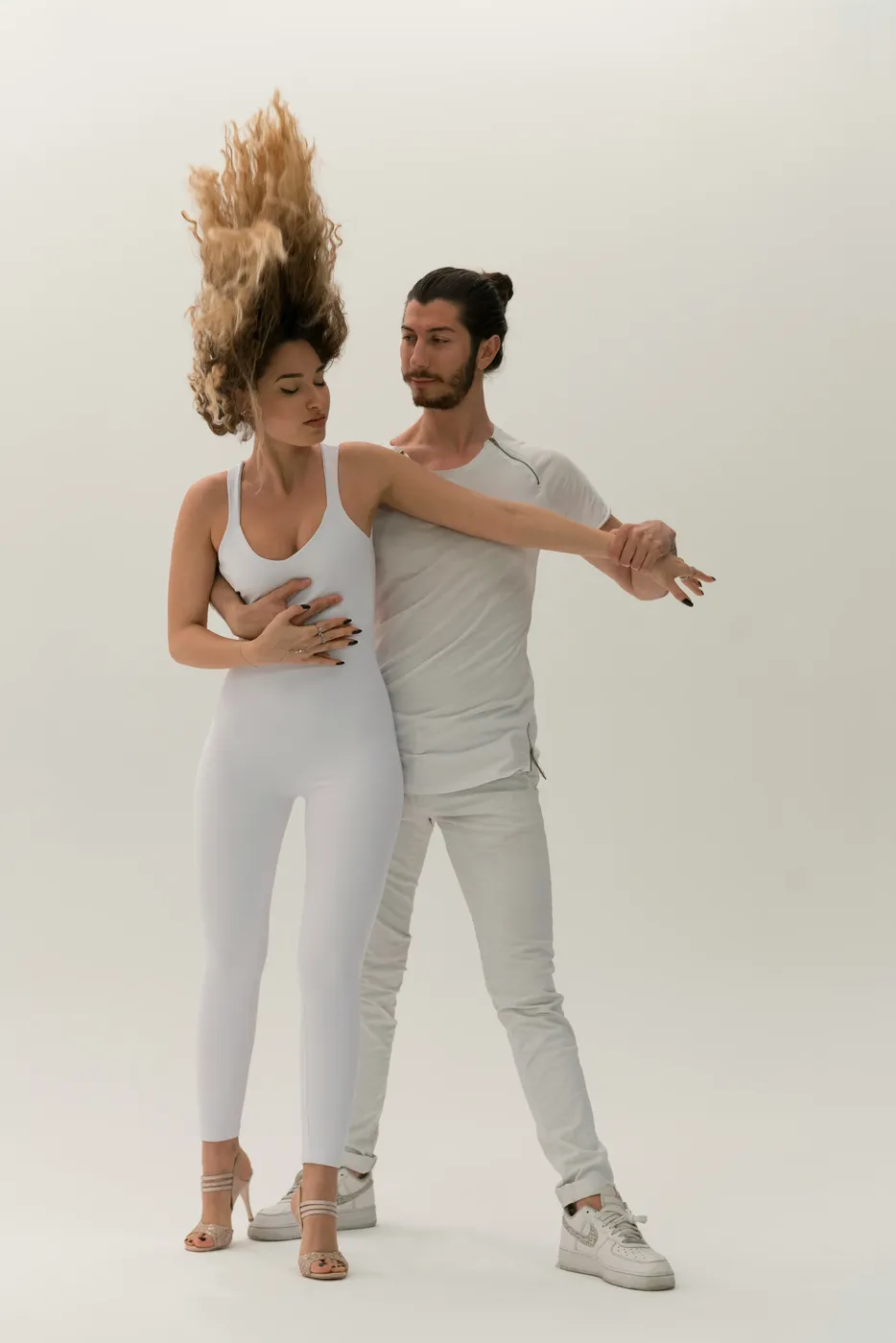
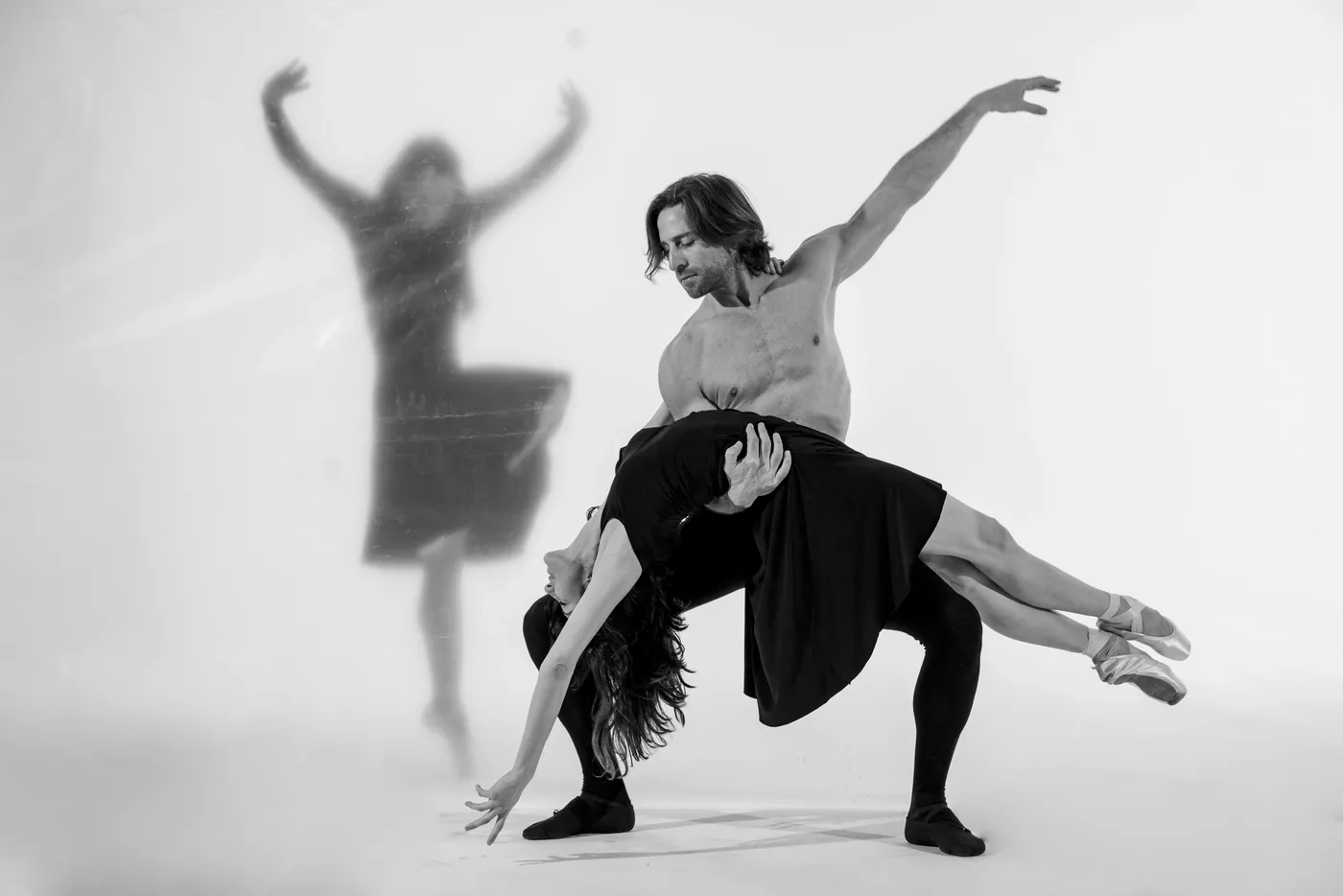
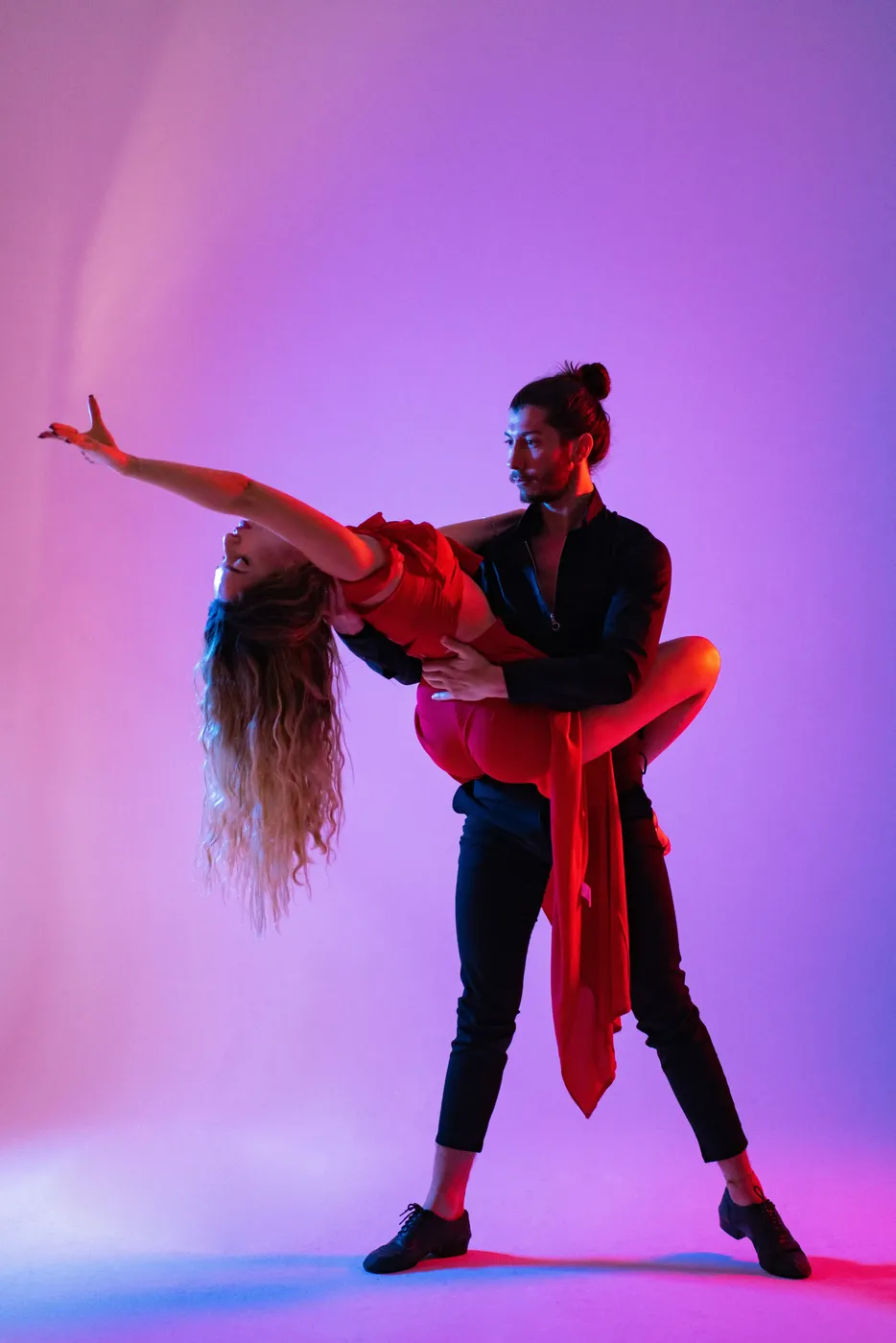
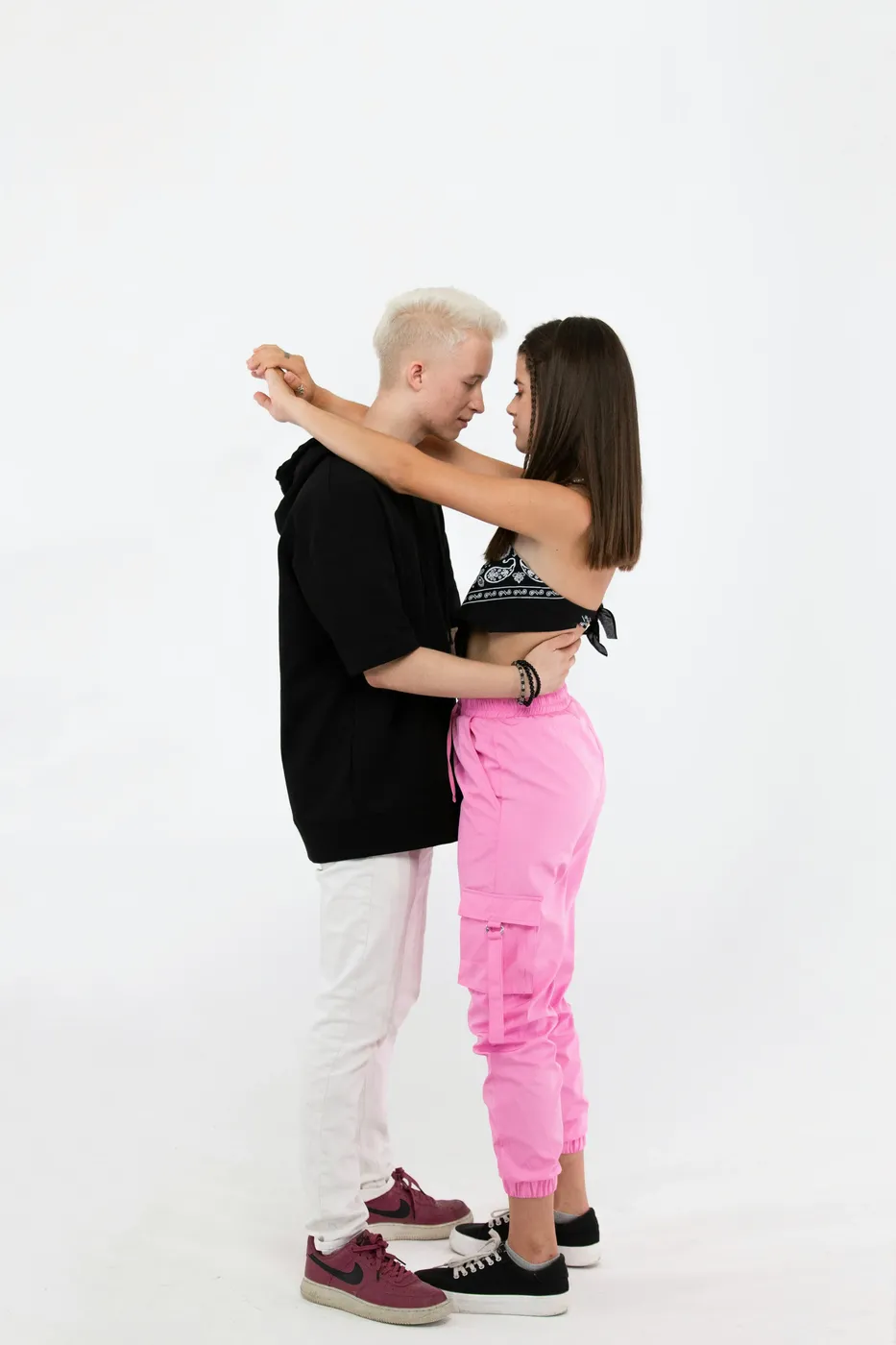
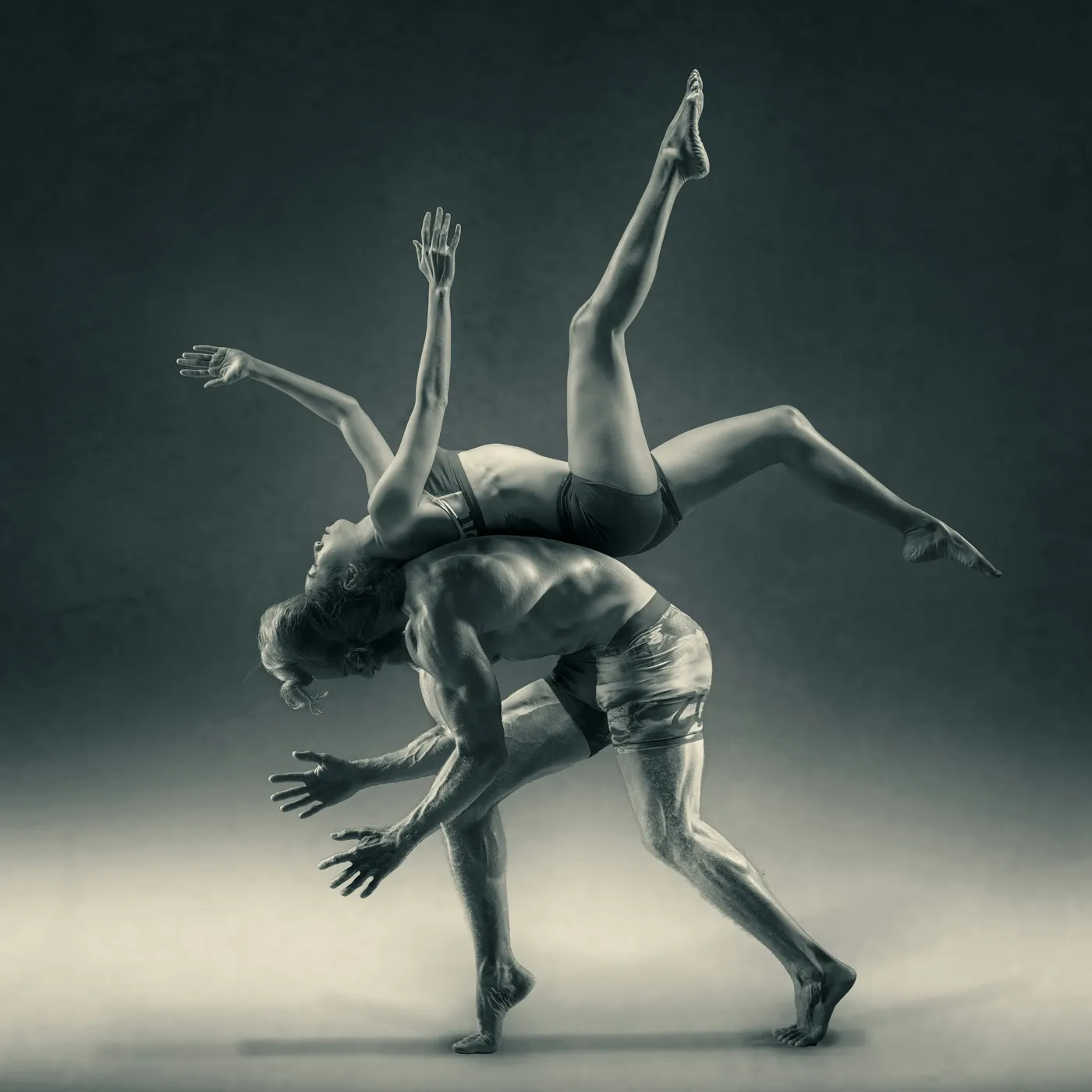
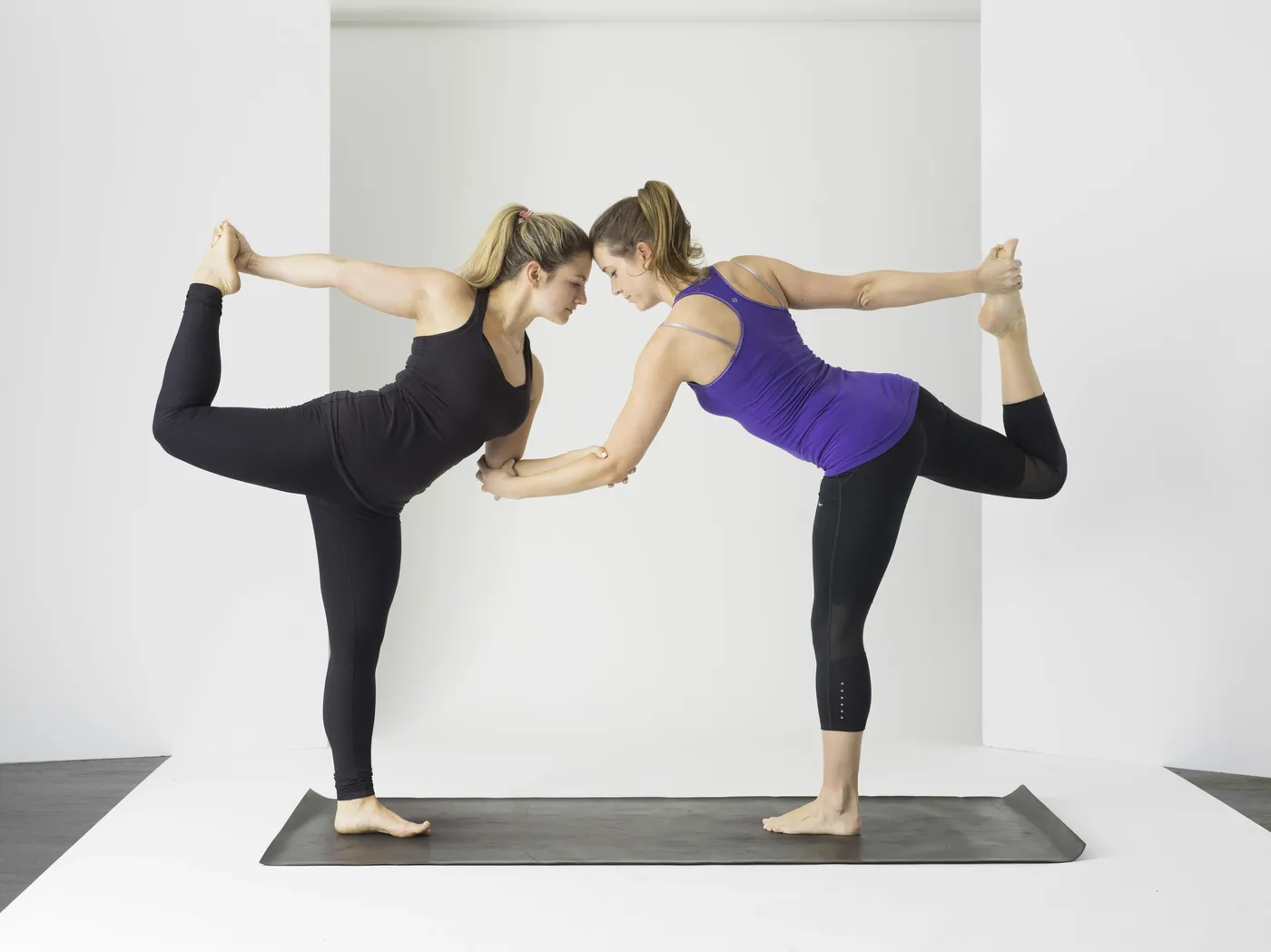
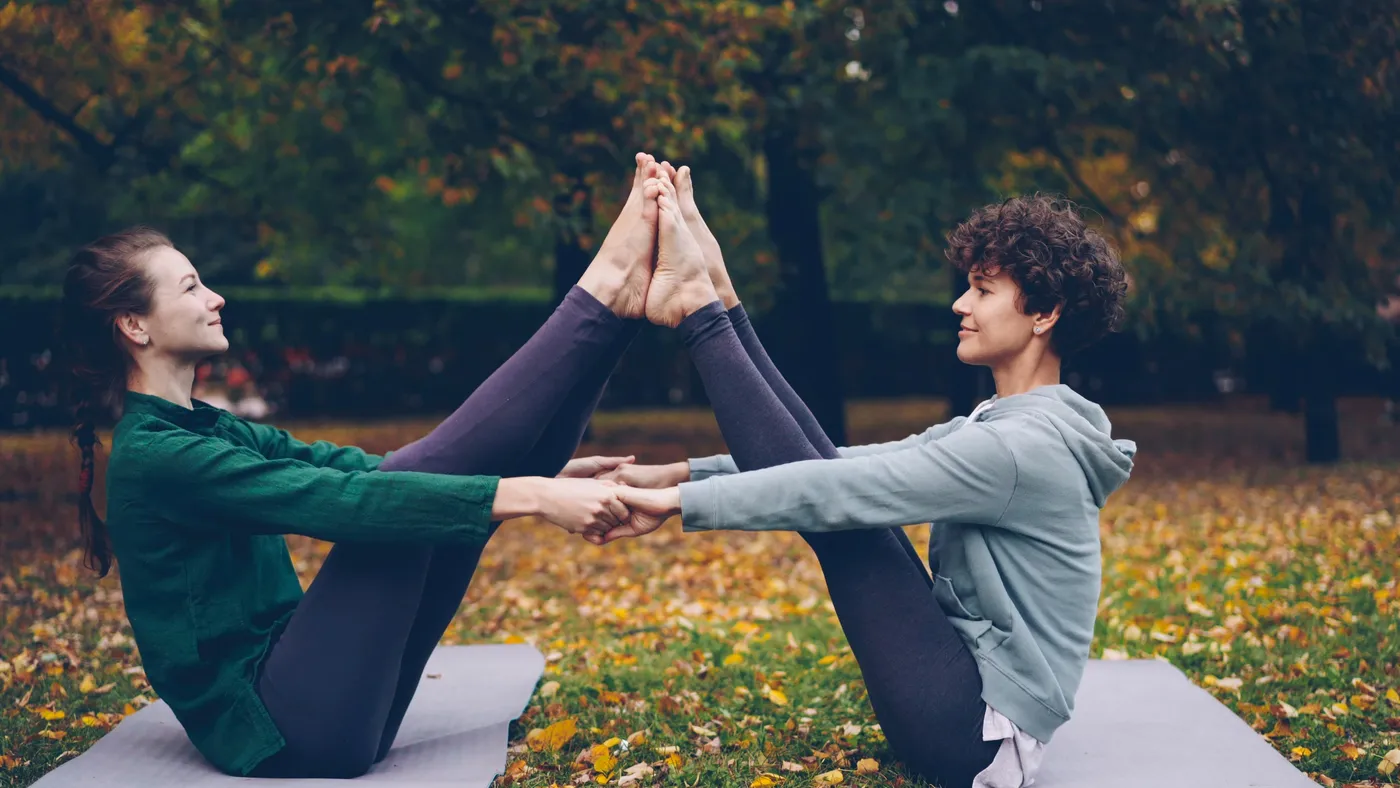
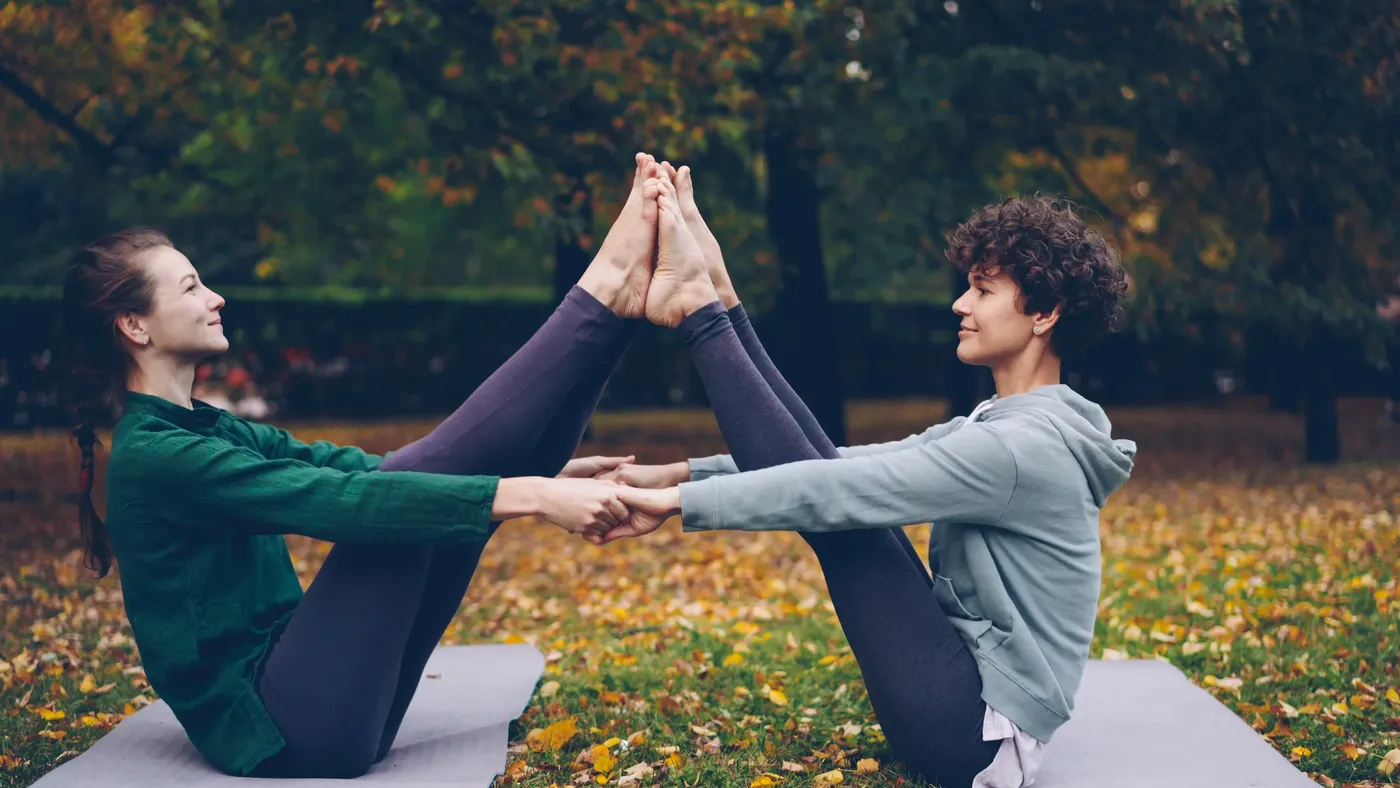
All 13 photographs are from Unsplash and free to draw from, including for work you sell.
The space between is the subject
When two figures interact, the gap between them becomes a shape with its own contour, and that shape does most of the storytelling. A narrow, closed gap reads as intimacy or tension. A wide, open one reads as distance. Get the negative shape wrong and the drawing communicates the opposite of what the reference does, even with both figures accurately drawn.
Practical test: squint at the reference until the figures merge into a single dark mass, and look at the light shapes cutting into it. Those are what you are really composing. Our notan maker does the same thing digitally if you want to see it clearly.
Overlap establishes depth
Which figure is in front is communicated almost entirely by overlap, and overlap has to be decided rather than discovered. Draw the forward figure's contour as continuous and let the rear figure's contour stop where it meets it. Beginners often draw both contours completely and then try to erase, which produces a flat, tangled read.
Scale and eye level
Two figures share a ground plane, which means their heights are related by where they stand relative to the viewer, not by how big they look in isolation. If both are standing on flat ground, the horizon line crosses both bodies at the same relative height. Getting that wrong is the most common reason a two-figure drawing looks like two separate drawings pasted together.
A practice routine
Three minutes per pose. First thirty seconds: draw only the outline of the combined silhouette, both figures as one shape. Next thirty: mark the negative shapes between and around them. Only then separate the two figures. This forces you to compose before you render, which is the whole skill in two-figure work.