Sitting Pose Reference for Drawing
Seated figures are the pose type most people get wrong, and it is worth understanding why before you start drawing them. When a figure stands, the skeleton does the work and the silhouette is relatively honest. When it sits, the mass redistributes: the thighs compress against the seat, the pelvis tilts back, and almost every limb ends up pointing somewhere towards the viewer. That means foreshortening, which is where accuracy goes to die.
▶ Start a timed session with these 12 posesOpens the free pose timer with this set loaded. Choose your own interval — 30 seconds to 5 minutes.

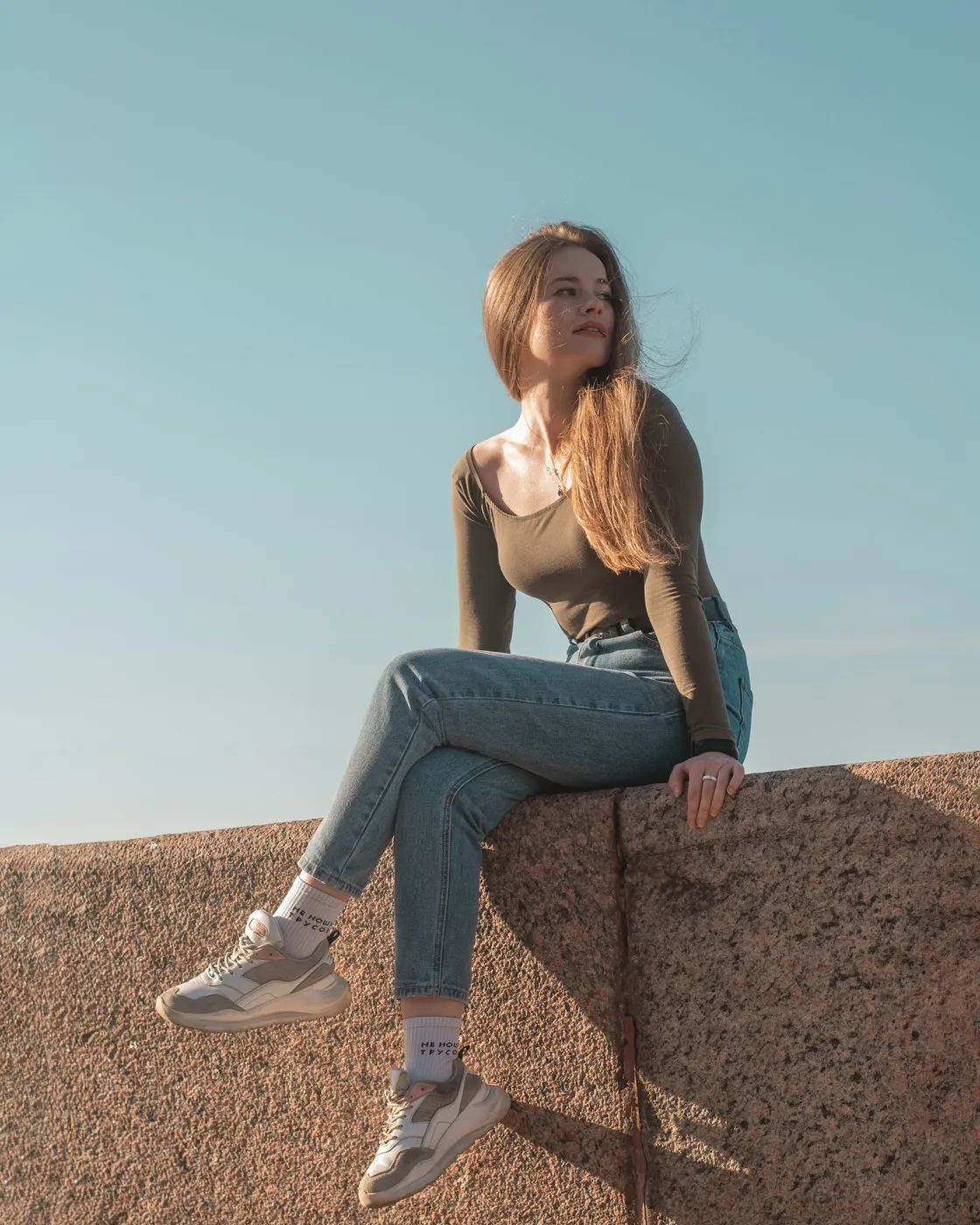

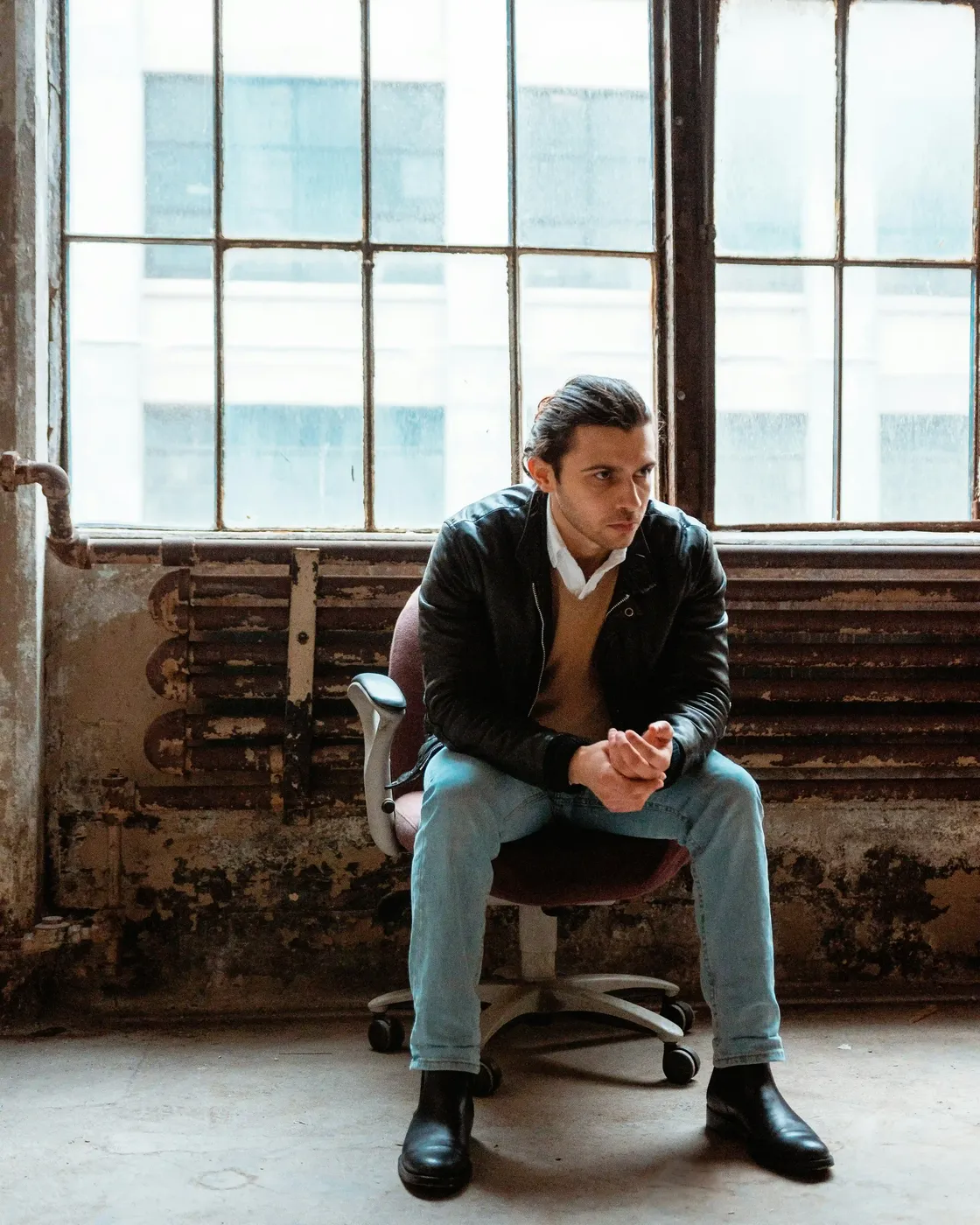

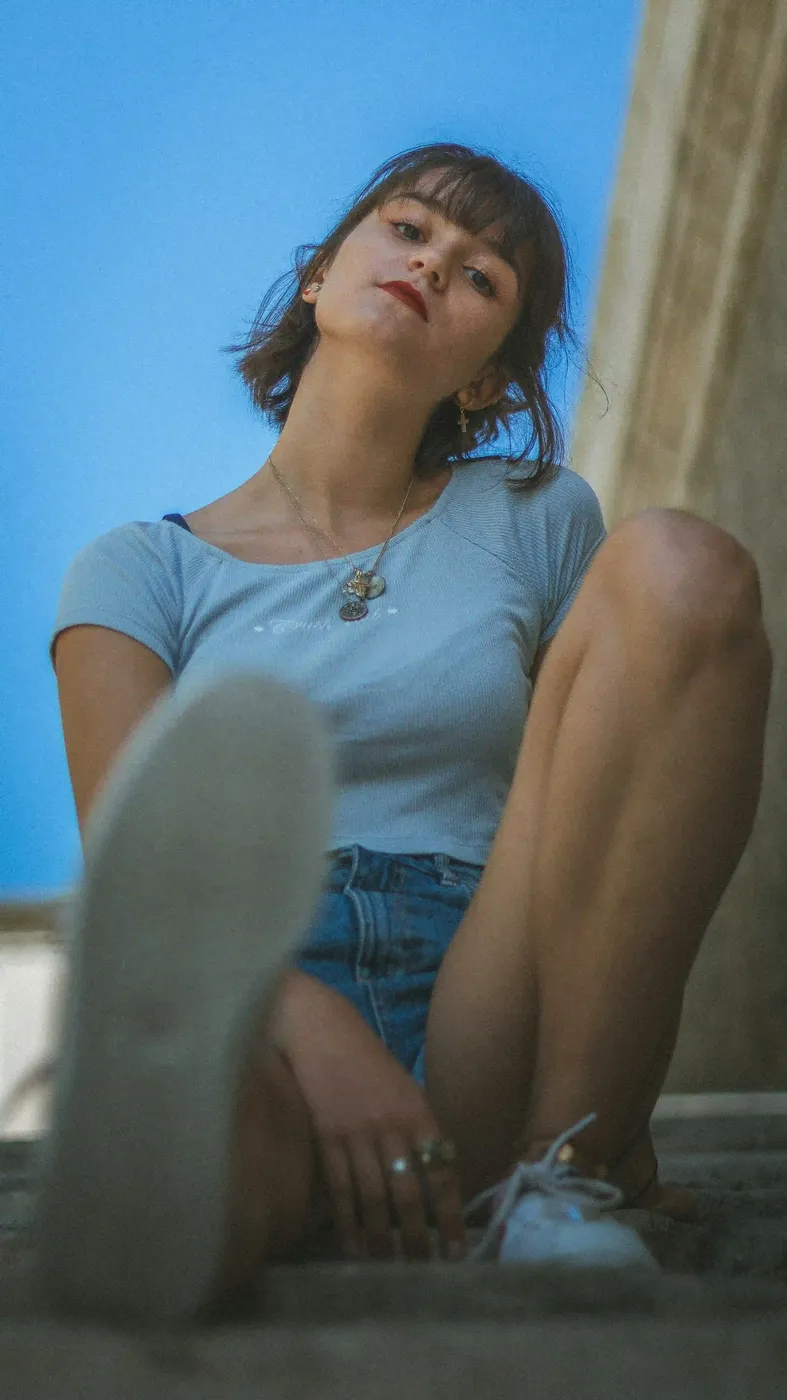


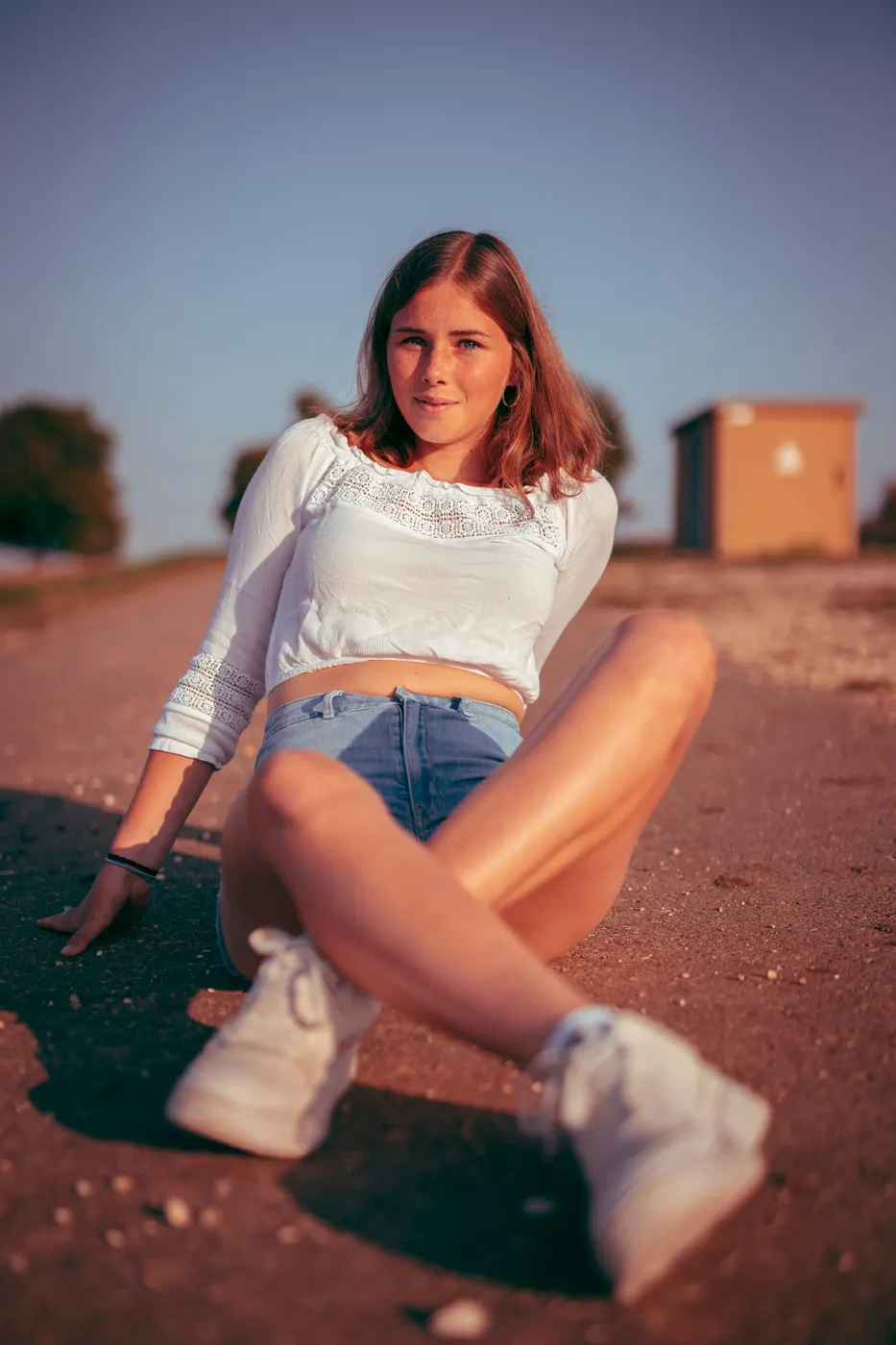

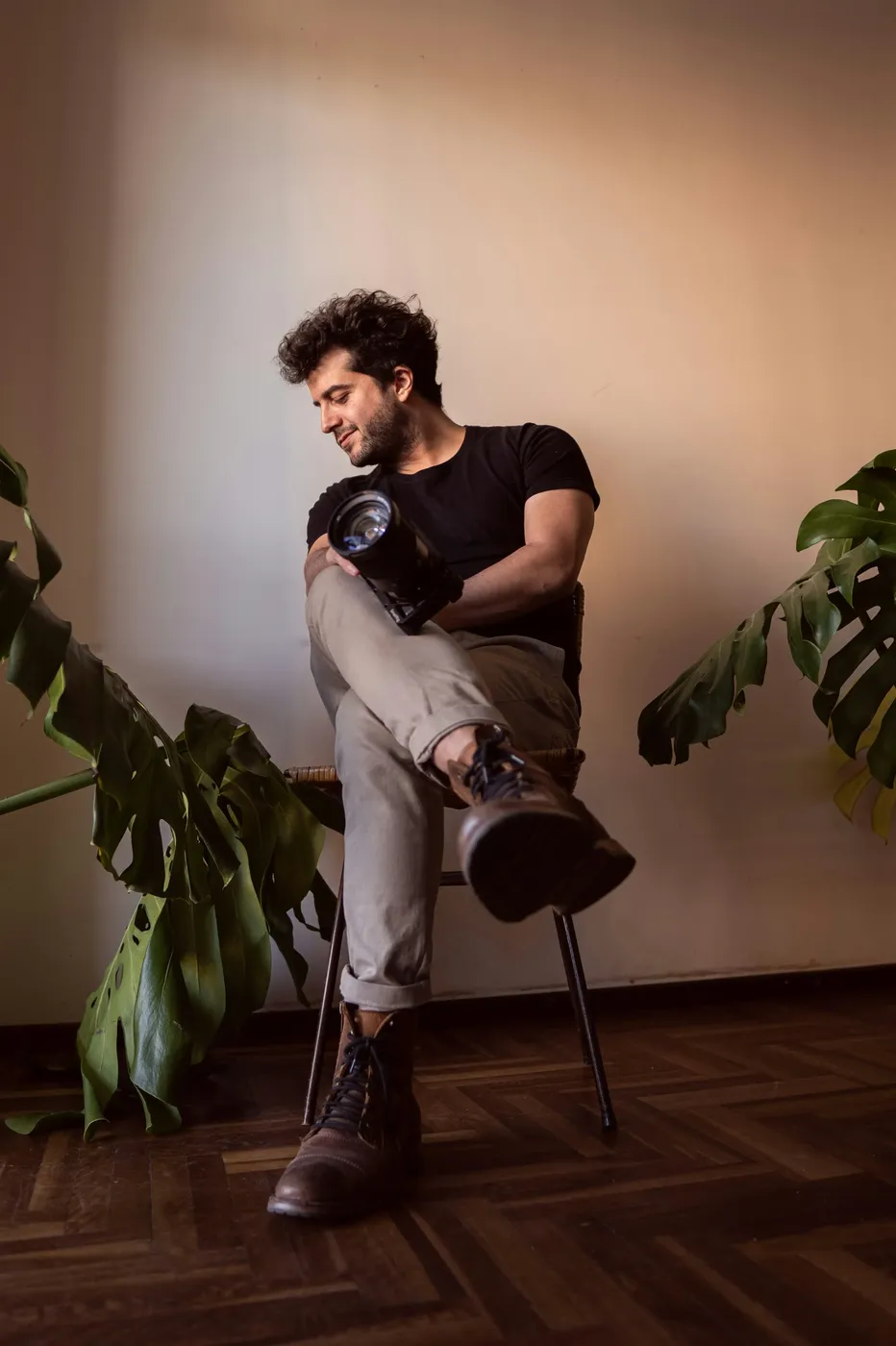
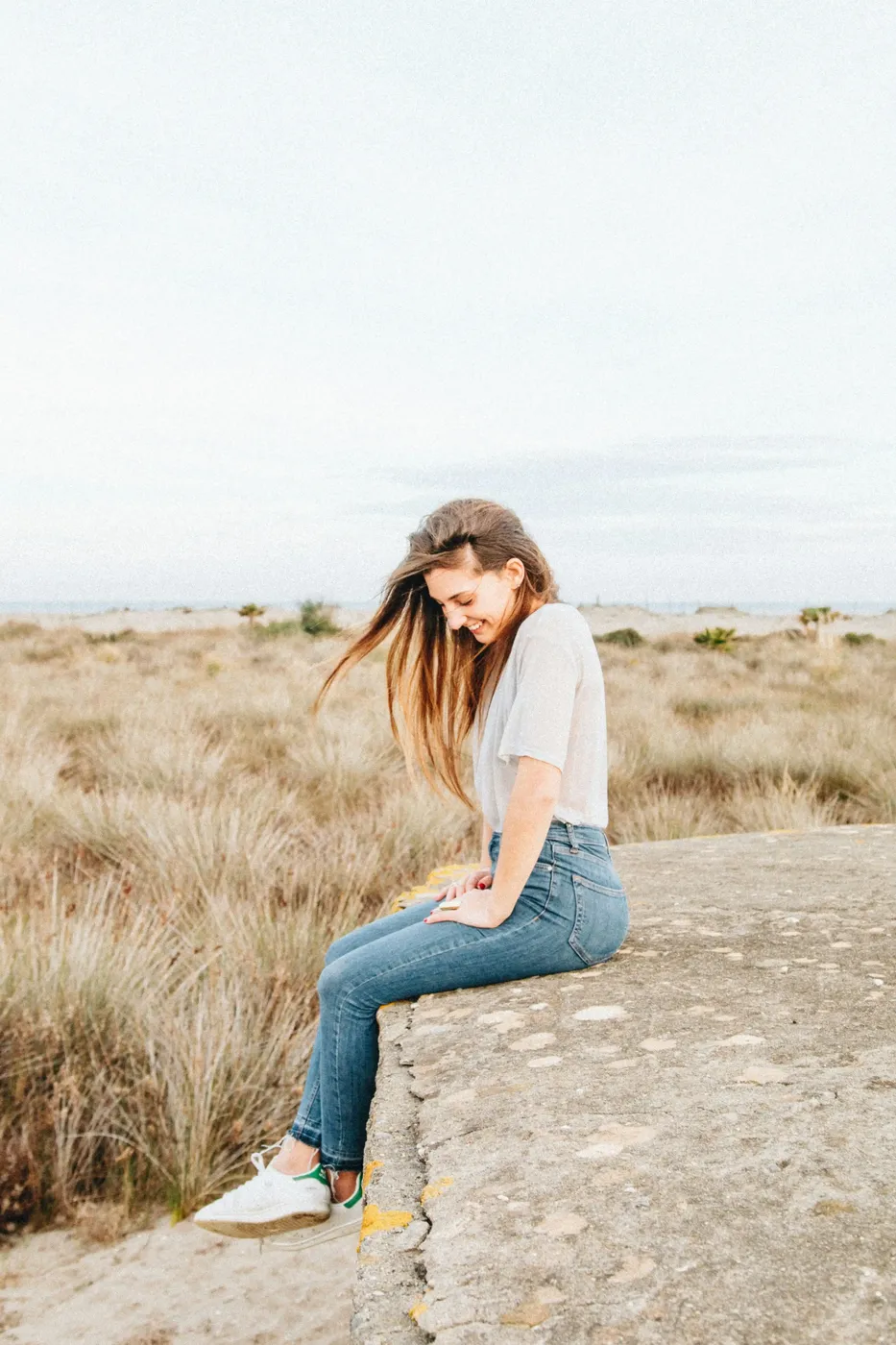
All 12 photographs are from Unsplash and free to draw from, including for work you sell.
What to look for in a seated pose
Find the contact points first. A seated figure touches the world in a small number of places — the seat, the feet, sometimes a hand or a forearm. Mark those before you draw anything else. They anchor the pose in space and they tell you where the weight is going. A seated figure drawn without clear contact points floats, no matter how well the anatomy is rendered.
Watch the pelvis, not the shoulders. In standing poses the shoulder line usually reads the tilt of the body. Sitting inverts this: the pelvis is locked by the seat, and everything above it negotiates around that constraint. Establish the angle of the pelvis early and the torso follows.
Accept the foreshortening. A thigh pointing towards you might only be a third as long on the page as you know it to be. Beginners lengthen it because they know how long a thigh is. Measure what you see — hold your pencil up and compare it against the head height if you need to — and put down the short version even when it feels wrong. It looks right in the finished drawing.
A practice routine
Run these references through the timer in three passes. First pass at 30 seconds: contact points and the pelvis angle only, nothing else. Second pass at 2 minutes: add the ribcage and the limb directions. Third pass at 5 minutes: refine the foreshortened limbs specifically, since that is the part that actually needs the time. Most people spend the whole session rendering the head, which is the part they already know how to draw.